
|
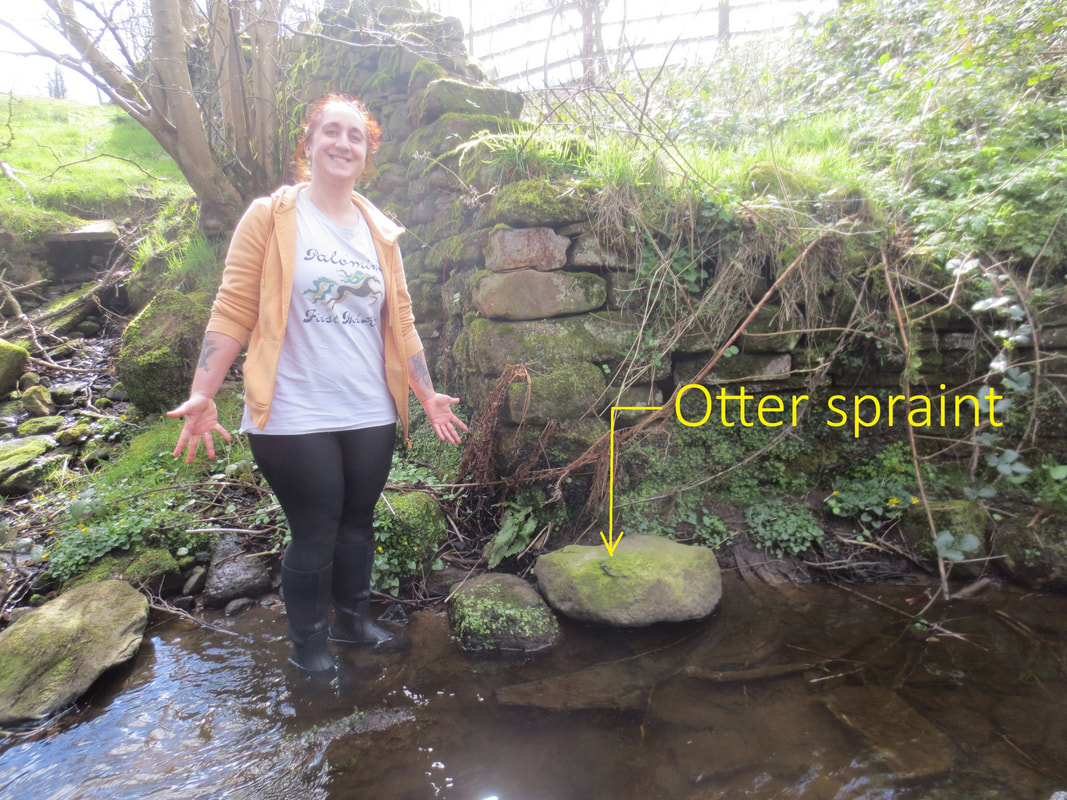
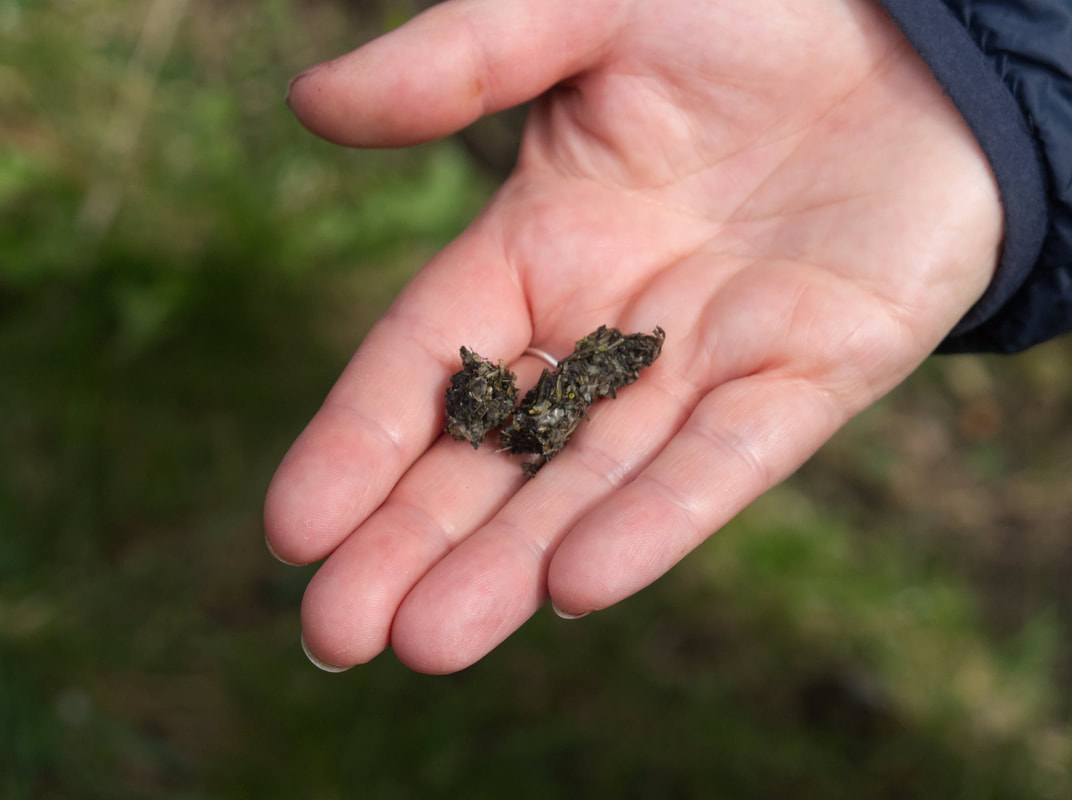
This spring RWF were out looking for otters along the River Worth catchment. We were surveying to try to establish the extent of otter activity along the river and it's tributaries. RWF member, Lucy Johnson, came on one of our expeditions, here are her impressions of the day. 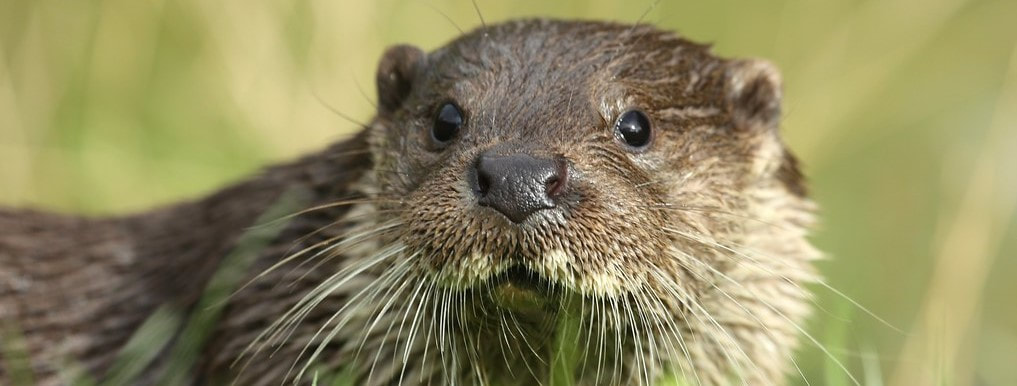 Lucy's blog River Worth Friends organised two otter surveys recently, and I jumped at the chance to attend the second walk and write it up. However, the god of environmental blogging doesn’t seem to have looked kindly on my involvement. I was initially hampered on the day by having had minimal sleep. Then my stomach muscles stuck their oar in by cramping so badly that I chose to leave the event halfway through, because the pain had prevented me taking anything in, much less writing it down. My cramps continued for a good two hours afterwards, so they weren’t solely caused by Sue’s brisk walk leading style. As a final flourish, the notes I did manage to take have completely vanished. So, please bear with me in writing a blog where I have either missed the highlights, am forbidden from writing about them, or have lost the notes. Otter surveys are a valuable part of keeping an eye on life in the river. If otters, apex predators, are present, it shows clean water, good fish stocks and suitable habitat. Otters were nearly wiped out in the mid-twentieth century in the UK, but are now found across the country. As otters are nocturnal, they are best spotted at dawn and dusk. To maximise your chance of seeing one, find a quiet stretch of river. Otters are often seen at National Trust sites, as detailed here: https://www.nationaltrust.org.uk/visit/countryside-woodland/places-you-can-spot-otters . Despite everything going wrong for me writing-wise on the day, I had had good intentions. Sue sent me a wealth of information to pore over, including maps, and a baffling (to me) sheet of footprints. I have poor visual memory so this particular item definitely wasn’t going to sink in, but I enjoyed looking at it, particularly as it implied otters the size of badgers. Maybe somebody should turn it into designer wallpaper. 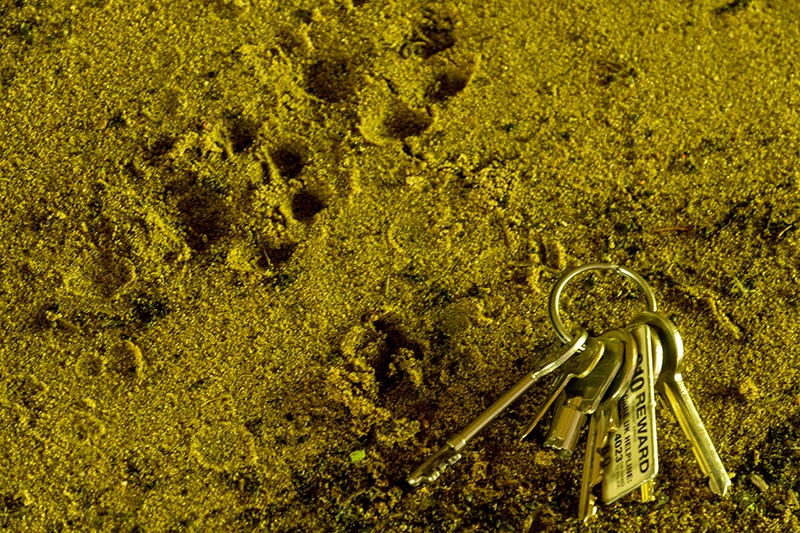 A pair of otter prints. The odds of otters assisting with the survey by attending in person were slim. The surveying technique seems to be, select a stretch of water, and carefully walk it, keeping an eye out for ‘spraint,’ with a jasmine scent and a black, cylindrical appearance, with bones visible. Pawprints are a possibility but not a given. If encountered, spraint should be left in situ as it plays an important role in marking territory. Some of the group met in Keighley Bus Station, where interesting conversation may or may not have been had. I can’t tell you, having lost my notes. Once on the bus, we regaled the bus driver and fellow passengers with stories of what we were up to, and met the rest of the group in Oxenhope. Sue quickly got us all shipshape, ran over the objectives and health and safety (I think the gist was if we fell in the water we’d have Sue to answer to), and we set off on a leisurely circuit through the highways and byways of Oxenhope. The dozen or so participants meandered along, Pragna enlivening the route by identifying all the birds in the vicinity. I didn’t take in the specifics of the route at the time, so I won’t attempt to reconstruct it now. Essentially, every speck of suitable habitat visible from Oxenhope was viewed, apart from a stretch in a housing estate considered a long shot. The area near the station was considered a possibility due to sightings by railway staff and volunteers. In the event, some mink scat was encountered here. 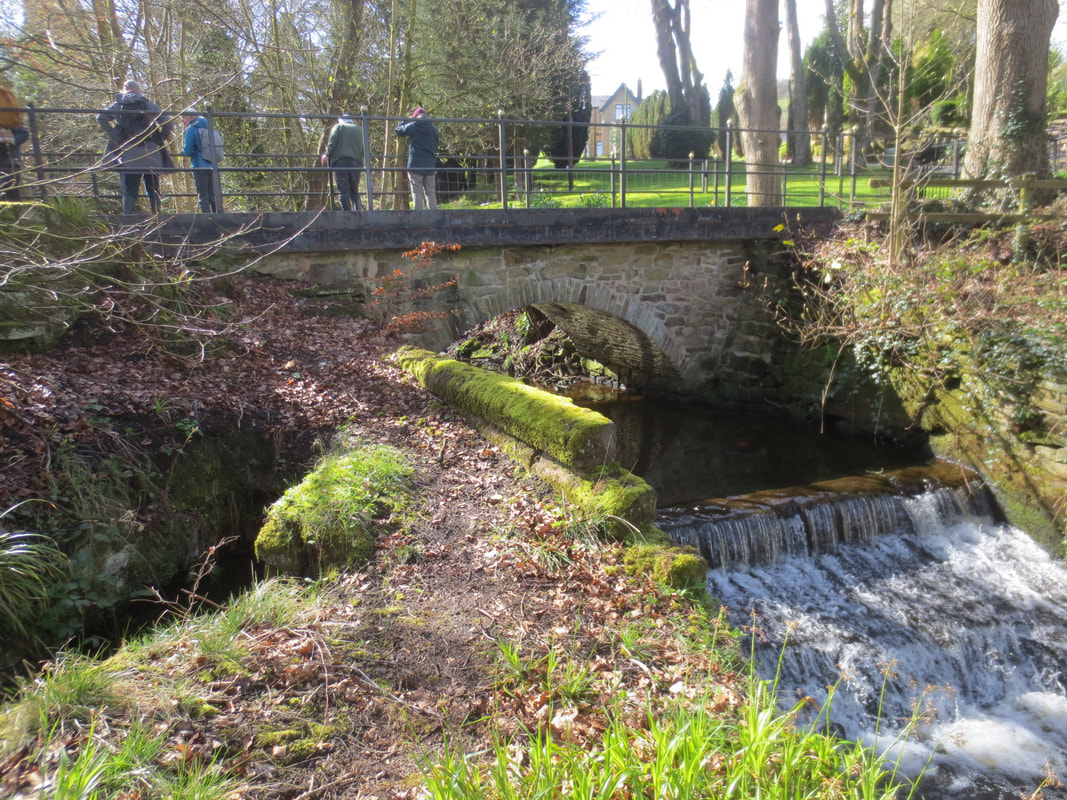 Searching intently.
walk. Between Oxenhope and Haworth four spraints were found, in three separate sites. Mission successfully accomplished. The results will be shared with ecologist Andrew Mather and West Yorkshire Ecology, and River Worth Friends members will continue to keep an eye out as they explore the area.
0 Comments
Leave a Reply. |
Categories |
 RSS Feed