River Worth Friends
  • Home
  • Events
  • What we do
  • Meet our volunteers
  • Blog
  • Report an incident
  • Get in touch
  • River Worth Friends Policies and constitution

What on earth is a lamprey!

27/4/2021

0 Comments

 
Picture
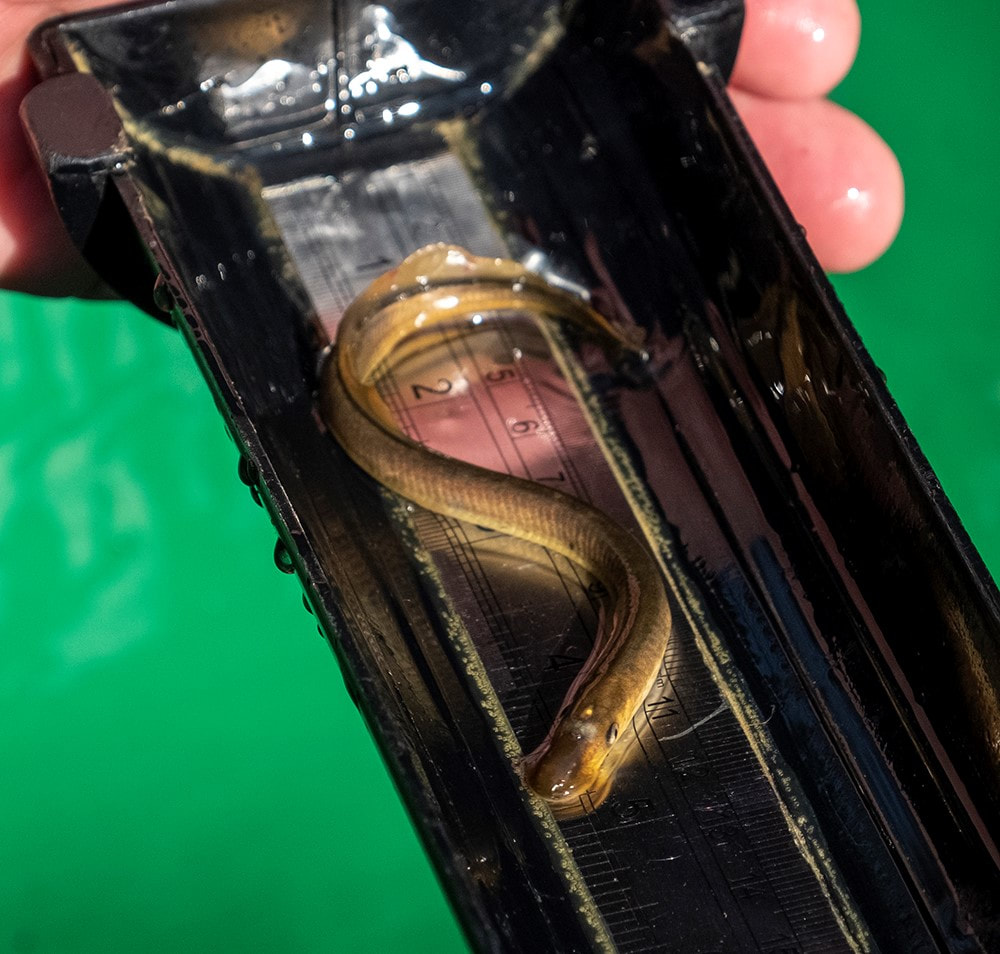
A brook lamprey caught in a RWF monitoring exercise on the Worth.
We have mentioned lampreys a couple of times in blogs and facebook postings recently, we we though some might be thinking WTF is a lamprey, so here’s a bit more information about them.
So what are Lampreys?
Lampreys are a very primitive form of fish, although scientifically they are not actually classed as fish it is convenient to consider them as such. They look like eels but are jawless, instead of a jaw they have a round sucker mouth with strong rasping teeth. They are boneless,  their skeleton consists of flexible cartilage. They breath through seven gill holes on either side of the head.
There are three species of lamprey living in the UK, the sea lamprey, the river lamprey and the brook lamprey. 
Picture
Brook lamprey mouth.
​The sea and river varieties are carnivorous, having the unpleasant habit of attaching themselves to fish with their sucker mouth and boring into the body to eat the blood and flesh, ugh! On the Worth you will be pleased to know that we just have the brook lamprey which is not so disgusting as it feeds by filtering organisms out of the water, in fact it doesn’t eat at all in the adult stage.
How do they live?
Lampreys have two stages, a larval stage and an adult stage. After hatching the larvae drift down stream until they come to a suitable sandy/silty river bottom which they burrow into. They will remain there for five to six years feeding by filtering organisms from the water around the mouth of their burrow. They grow from 3-5mm to 12-15cm before changing into the adult form.

​If that was it most of us would not know we had lampreys in the river, they are normally only seen once they become adult. They metamorphose into adults in July to September and start migrating upstream to their spawning sites where they will spawn in April to May. As the adults do not feed they lose weight during this period and die soon after spawning.

For spawning a group of adults will form a shallow depression in the gravel about 20-40cm across and 2-10cm deep in an area of moderate flow. Here the females will lay about 1,500 eggs to be fertilised by the males.  ​
Picture
Spawning lampreys.

Picture
Heron eating lamprey.
Spotting lamprey.
Now is probably about the best time to see lamprey as it is spawning time, so if you are out by the river keep an eye out for these eel like fish. They are particularly vulnerable to predators at this to time so you might see a heron or goosander taking them. If you do see any please let us know. We have seen a few in our work in the river this season but are always interested in finding out more about them.

​One of the problems lampreys face on the river (as well as the herons!) is the number of weirs. These act as a barrier to migration and may be limiting the population, mind you this also applies to other fish such as trout and grayling. River Worth Friends are keen to have some of these weirs removed if possible.
Main top photographer copy write of RWF member John Tickner.
Lampreys spawning - Dr Will O'connor.
Heron with lamprey - Clive Daelman.
If you want to know more there is a good exploration of all three UK species here.
 

0 Comments

Bugs in the River

12/4/2021

0 Comments

 
PictureStone fly nymph.


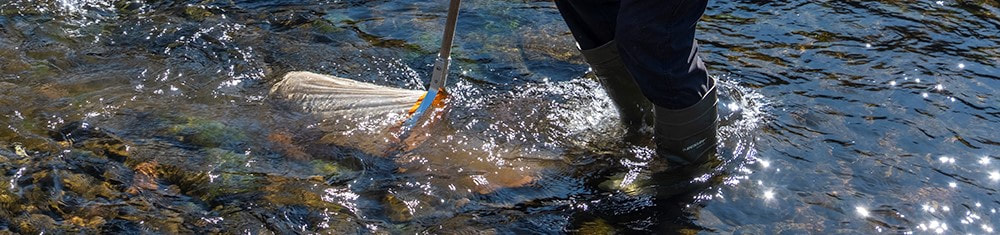
​​On Monday, as part of our survey of the river Worth and it’s tributaries, we were out kick sampling. This is a way of finding out what invertebrates (bugs) are living in a river.

Most river flies live as flies for only a short period, sometimes for only a day. However they may live as bugs in the river for over a year before hatching into flies. We want to know more about bugs in the river for two reasons. Firstly a healthy bug population should lead to a healthy population of their predators like Dippers, Wagtails and Trout. Secondly the bugs are a very good indicator of the quality of the river water, they are very sensitive to pollution so lots of bugs means clean water.
​
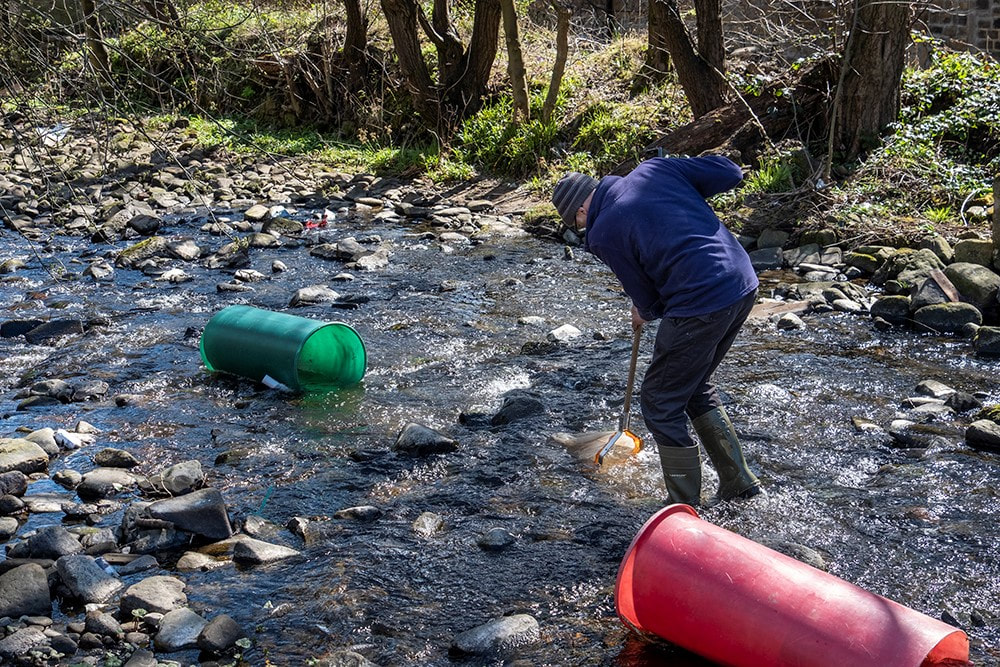
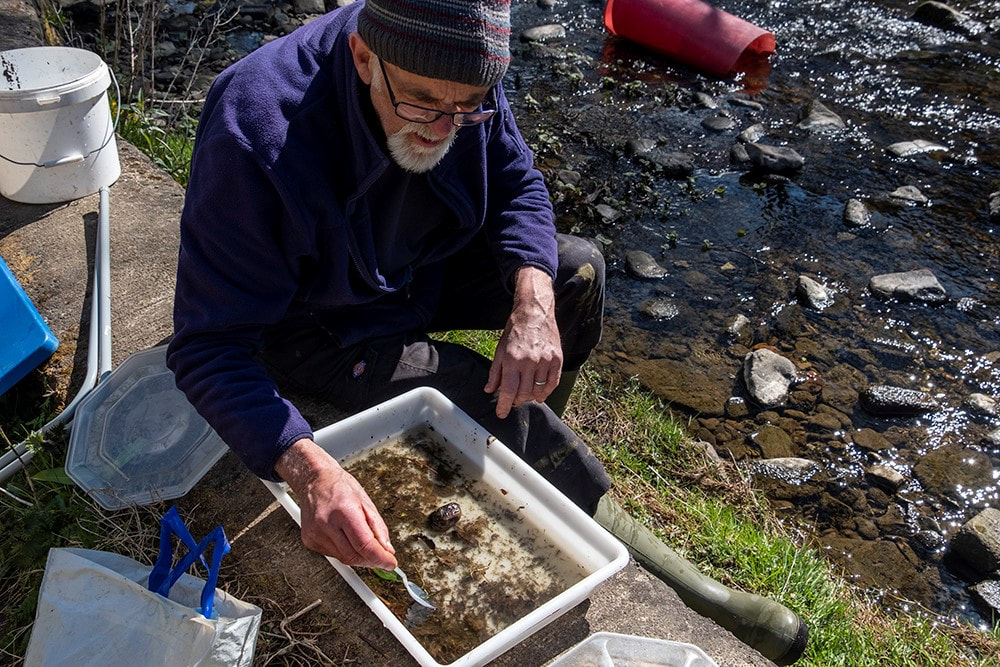
To start the survey we chose two locations, one very close to the confluence with the River Aire and the other on North Beck next to Morrison’s car park.  To kick sample you get in the river holding a fine mesh net in the water down stream then kick the stones and pebbles to dislodge any bugs living under them. The standard method is to do three one minute samples at each location. That is the easy bit, the tricky and enjoyable part is identifying and counting the samples.
​
Picture
Kicking the sample. Note the rubbish in the beck.
Picture
Counting the sample.
Picture
Bullhead and heptagenid nymphs.
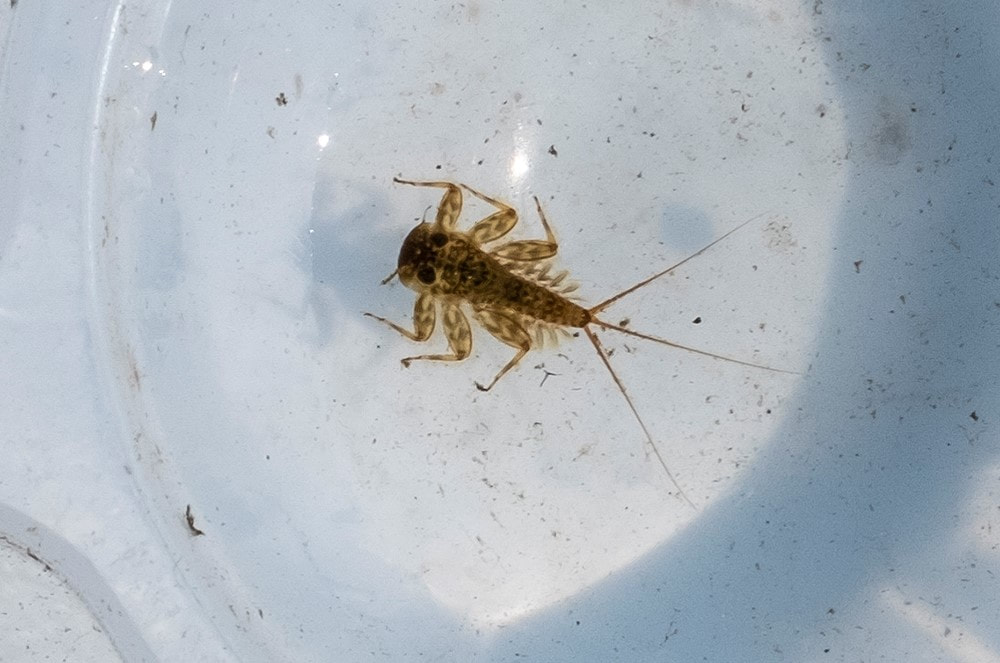
​The samples at the confluence yielded about 50 Heptagenid nymphs and about 25 Olive (baetis) nymphs. We also disturbed eight Bullheads. I think the Heptagenid is my favourite river bug, they just look so alien, they are known as stone clingers and their flattened body shape helps them to stay put in the current. I understand formula one car designers studied their shape to help with aerodynamic design.
Picture
Heptagenid nymph - grows to about 20mm.
There was a marked difference with the North Beck sample, it was teeming with bugs, we estimated that the number of both Heptagenids and Olives was in the many hundreds. Obviously when there are that many counting gives way to estimation. This tells us that the water quality in North Beck is excellent despite the amount of litter that is dumped in it or blows in from Morrison’s car park. It is interesting that even though this site is full of bugs we could not see any evidence of Dippers which we would expect to be feeding on them.
Picture
Baetis nymph - grows up to approx. 12mm.
Picture
Just a small corner of the North Beck sample tray, how many bugs can you see?
​So why the disparity? We are not sure, it could be just that the two sites have different habitats that support different populations, we would need to sample more sites on the Worth to check that. It could also be that the population in the Worth has not recovered from a major pollution incident in 2018, we need to investigate further as well.

The invertebrate pictured at the top of the blog is a Stonefly nymph from North Beck. We had trouble identifying it because it is a much larger species then we usually get, we have not seen one this size before (about 25mm).
​
Sampling in this way is a great way to learn more about rivers and their ecology. It's also a return to childhood and messing about in the water! If you or your kids would like to get involved in this project please contact us.
​
Picture

​All photographs copyright of River Worth Friends member John Tickner, except the Baetis nymph.
0 Comments

Early spring flowers along the river

5/4/2021

0 Comments

 
Picture
This week's blog is by written and photographed by RWF member John Tickner (all images are copyright to him).
​
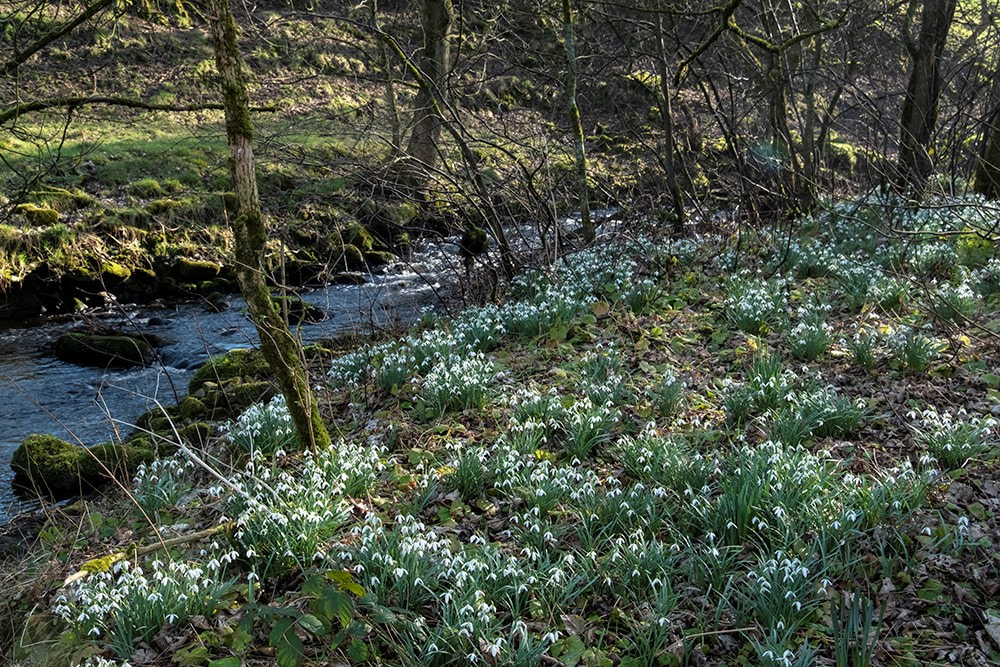
​You will probably have seen the Snowdrops along the riverbank already. They are the first harbingers of spring, starting in February and over by the end of March.  
Picture
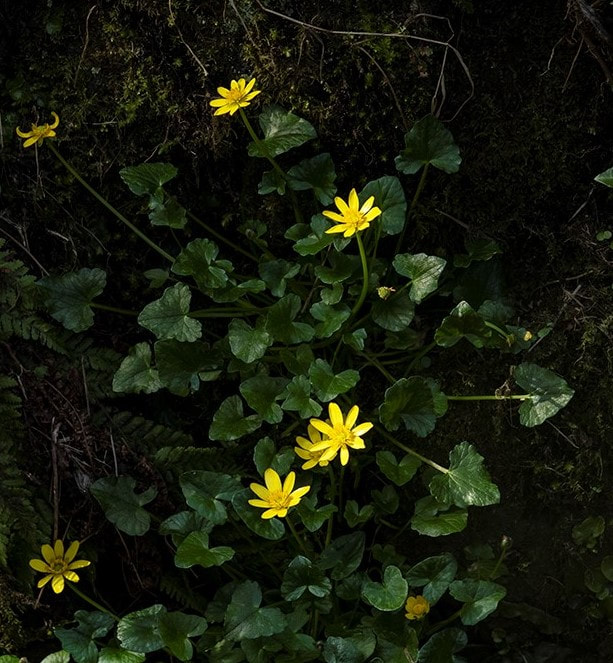
Lesser celandine.
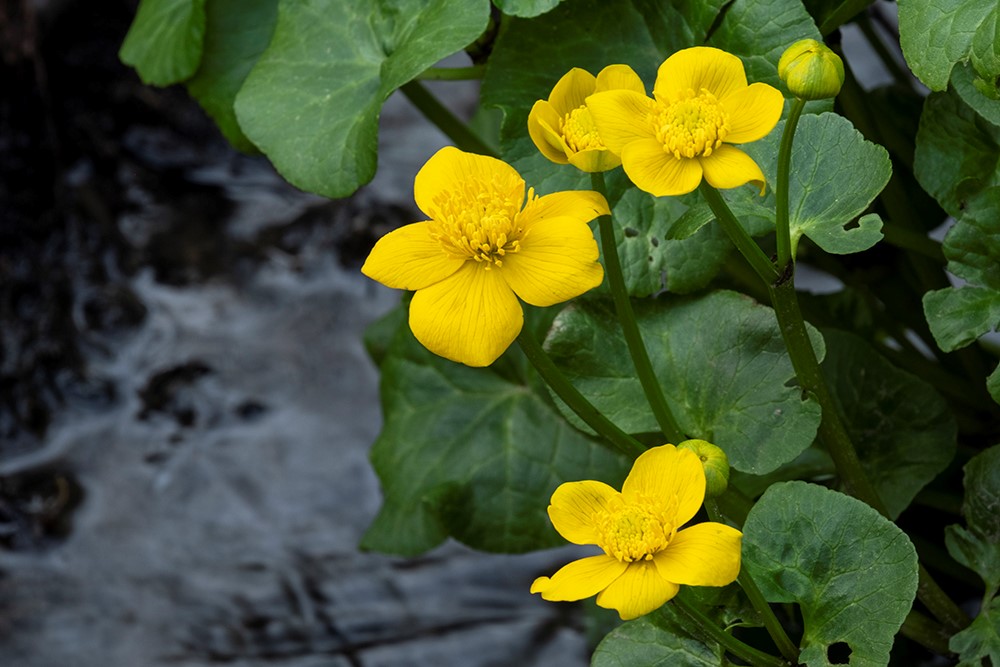
​Not dissimilar to lesser celandine but more substantial, is the marsh marigold. With brilliant golden flowers as much as 2 in. across, and bright green glossy leaves, they can be found lighting up damp woods from March right through to summer. It can stand even wetter ground and is often found in the margins of standing water.
Picture
Snowdrops on the riverbank.
​The lesser celandine is particularly abundant at the moment and is one of the earliest wild flowers to appear, it is happy in almost any damp, shady place. Where conditions are just right it will form a splendid carpet.


​

Picture
Marsh Marigolds.
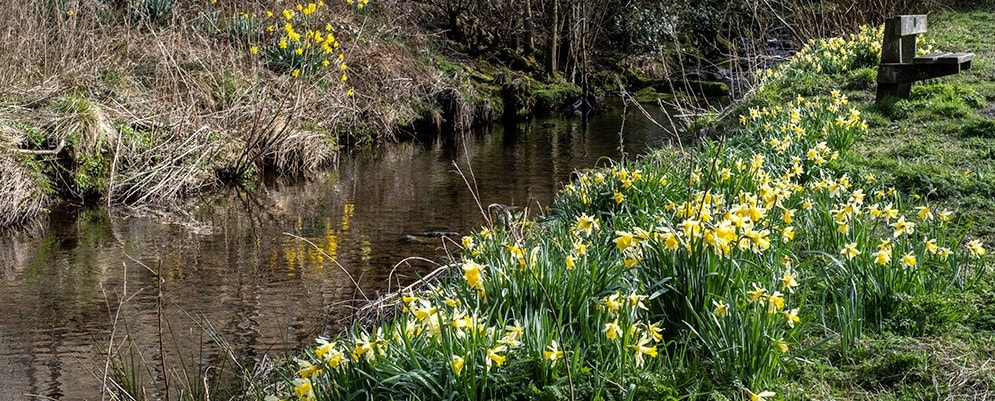
 ​The daffodil, today one of the most familiar of garden and roadside verge plants, was once as common in the wild. However, many that we see nowadays are either planted or escaped garden varieties. The wild daffodil has narrow, grey-green leaves and a familiar daffodil flower, but with pale yellow petals surrounding a darker yellow trumpet; this two-tone look is a starter to tell them apart from their garden relatives. The wild daffodil is also relatively short and forms clumps, carpeting the ground.
​
Picture
Daffodils by the beck.
​Another flower carpeting suitable woodlands at this time of year is the wood anemone. On dull days it will show its disappointment by drooping its head, but when the sun shines it will open its face to the heavens in celebration. So although woodland plants, they want more sunlight than can penetrate thick and overgrown places, and only flower profusely in deciduous woods and coppices.
Picture
Wood Anemone.
Picture
Butterbur.
​One of the most extensive plants along our river, and one of the most unusual, is the butterbur. Widespread over damp ground by streams, it is the flowers that are pushing through the ground now, the leaves will only fully develop after the flower has died. The leaves can grow to almost 36 in. across, and according to tradition, they were once used for wrapping butter - which is how it got its English name.
​From one extreme to the other, it is only too easy to pass the tiny common wall cress without noticing. It’s the lichens and mosses that colonise a wall first, they then trap particles of dirt that allow slightly larger plants to get a foothold and move in with them.
Picture
Common Wall Cress.
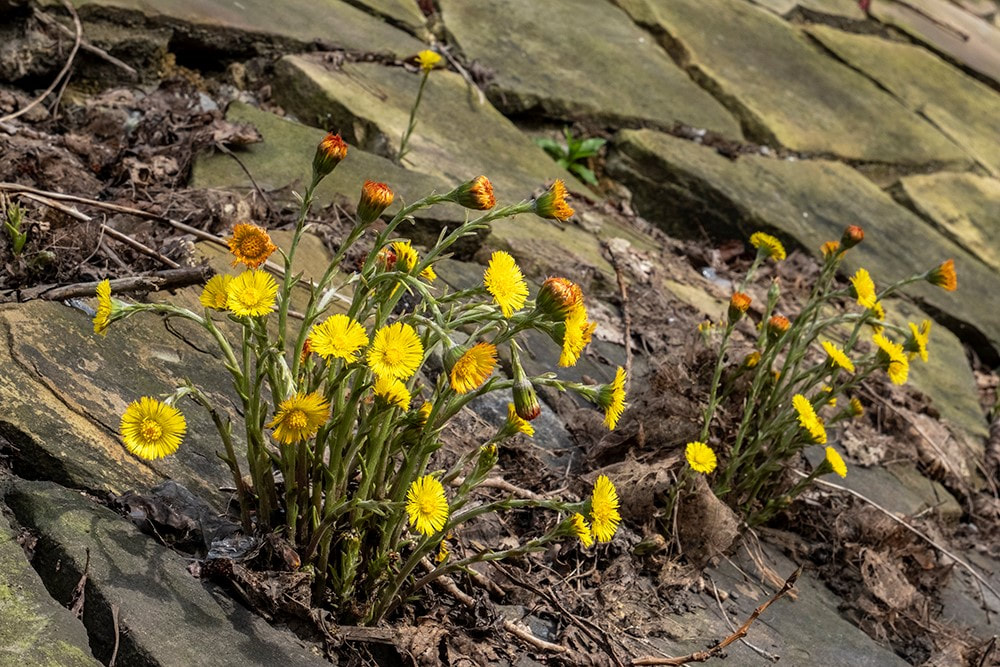
​Not strictly riverside, this coltsfoot, a member of the daisy family, was spotted along Postman’s Walk in Keighley by RWF volunteers litter picking the banks and paths around North Beck. It can survive in the bleakest of situations, and will burst forth in early spring with an explosion of yellow blooms. As with the butterbur, the leaves will only develop after the flowers have died.
​
Picture
Coltsfoot.
​My final offering is the ever popular primrose. A familiar spring plant of woods, hedge banks and grassy places, it is sadly less abundant than it used to be possibly as a result of over-picking.
​
​Which leads me to an appeal to please enjoy our wild flowers where they are, please leave them both for others to enjoy and to give them a chance to multiply and thrive. If you spot any unusual flowers while walking our river, or indeed see a particularly special show put on by one of the more common varieties, RWF would be pleased to hear from you as we try to grow our knowledge of our river and wildlife.

Images courtesy of RWF member John Tickner.
Picture
Primrose.
0 Comments

    Archives

    November 2025
    October 2025
    September 2025
    January 2025
    October 2024
    September 2024
    July 2024
    June 2024
    June 2023
    April 2023
    March 2023
    January 2023
    October 2022
    June 2022
    March 2022
    February 2022
    January 2022
    November 2021
    September 2021
    August 2021
    July 2021
    June 2021
    May 2021
    April 2021
    March 2021

    Categories

    All

    RSS Feed

Site powered by Weebly. Managed by JustHostMe Limited
  • Home
  • Events
  • What we do
  • Meet our volunteers
  • Blog
  • Report an incident
  • Get in touch
  • River Worth Friends Policies and constitution