
|
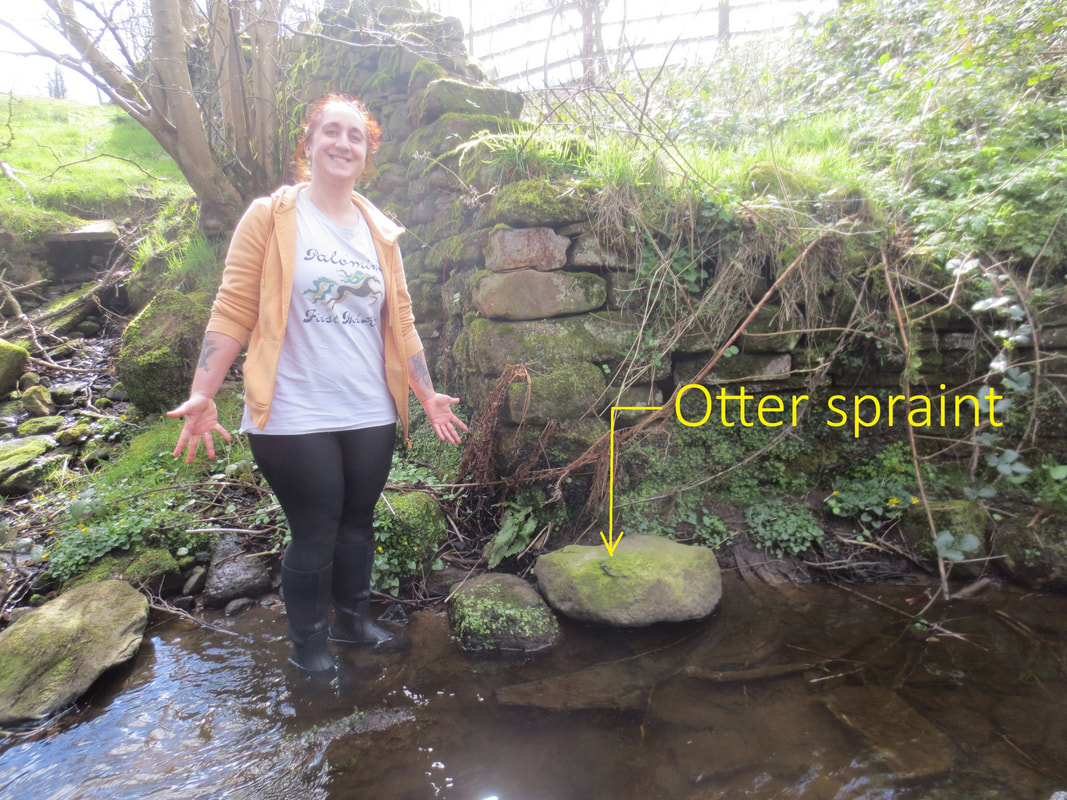
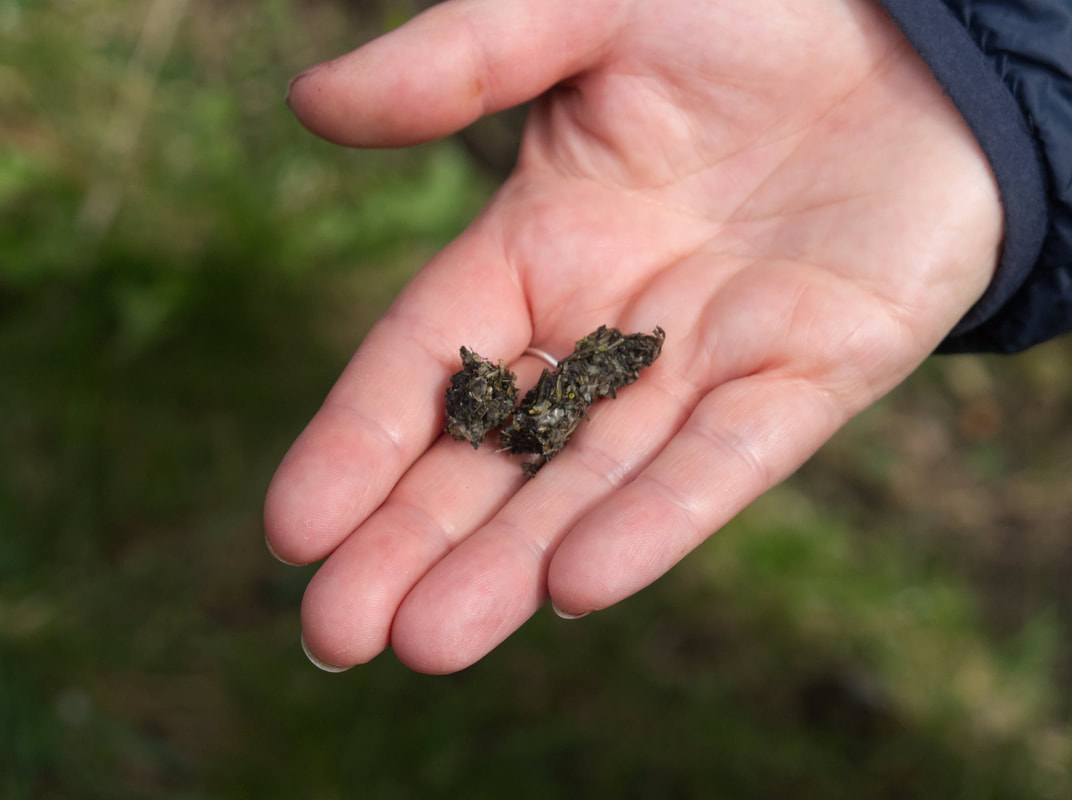
This spring RWF were out looking for otters along the River Worth catchment. We were surveying to try to establish the extent of otter activity along the river and it's tributaries. RWF member, Lucy Johnson, came on one of our expeditions, here are her impressions of the day. 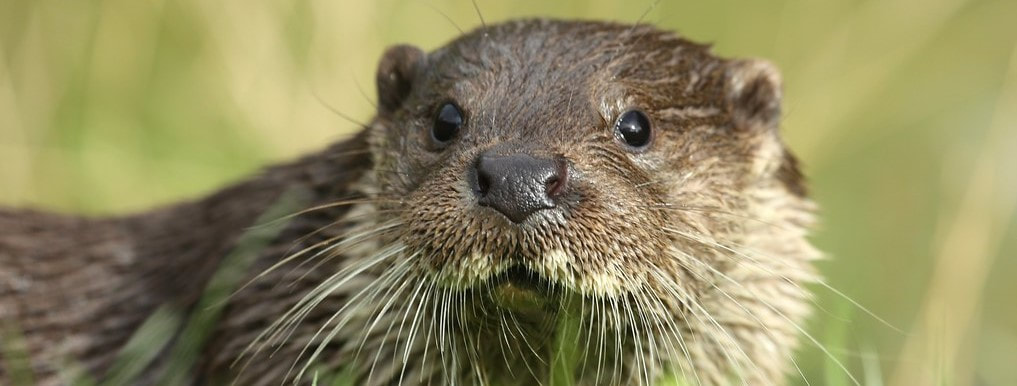 Lucy's blog River Worth Friends organised two otter surveys recently, and I jumped at the chance to attend the second walk and write it up. However, the god of environmental blogging doesn’t seem to have looked kindly on my involvement. I was initially hampered on the day by having had minimal sleep. Then my stomach muscles stuck their oar in by cramping so badly that I chose to leave the event halfway through, because the pain had prevented me taking anything in, much less writing it down. My cramps continued for a good two hours afterwards, so they weren’t solely caused by Sue’s brisk walk leading style. As a final flourish, the notes I did manage to take have completely vanished. So, please bear with me in writing a blog where I have either missed the highlights, am forbidden from writing about them, or have lost the notes. Otter surveys are a valuable part of keeping an eye on life in the river. If otters, apex predators, are present, it shows clean water, good fish stocks and suitable habitat. Otters were nearly wiped out in the mid-twentieth century in the UK, but are now found across the country. As otters are nocturnal, they are best spotted at dawn and dusk. To maximise your chance of seeing one, find a quiet stretch of river. Otters are often seen at National Trust sites, as detailed here: https://www.nationaltrust.org.uk/visit/countryside-woodland/places-you-can-spot-otters . Despite everything going wrong for me writing-wise on the day, I had had good intentions. Sue sent me a wealth of information to pore over, including maps, and a baffling (to me) sheet of footprints. I have poor visual memory so this particular item definitely wasn’t going to sink in, but I enjoyed looking at it, particularly as it implied otters the size of badgers. Maybe somebody should turn it into designer wallpaper. 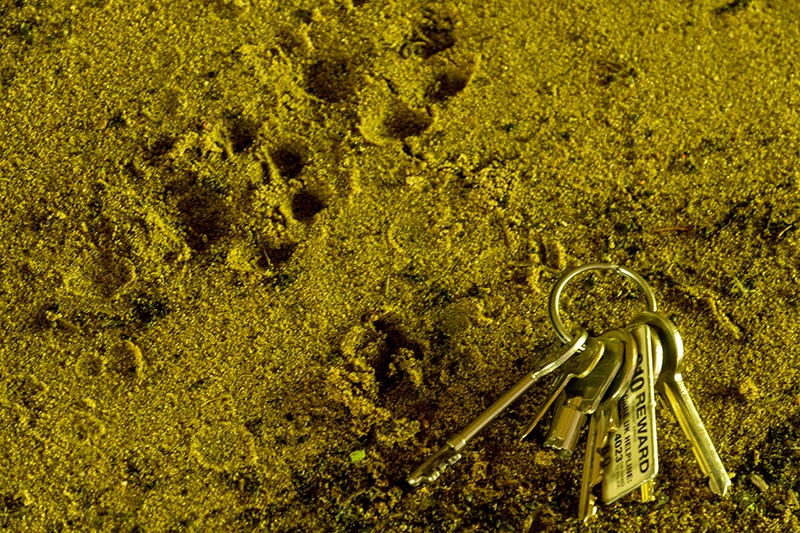 A pair of otter prints. The odds of otters assisting with the survey by attending in person were slim. The surveying technique seems to be, select a stretch of water, and carefully walk it, keeping an eye out for ‘spraint,’ with a jasmine scent and a black, cylindrical appearance, with bones visible. Pawprints are a possibility but not a given. If encountered, spraint should be left in situ as it plays an important role in marking territory. Some of the group met in Keighley Bus Station, where interesting conversation may or may not have been had. I can’t tell you, having lost my notes. Once on the bus, we regaled the bus driver and fellow passengers with stories of what we were up to, and met the rest of the group in Oxenhope. Sue quickly got us all shipshape, ran over the objectives and health and safety (I think the gist was if we fell in the water we’d have Sue to answer to), and we set off on a leisurely circuit through the highways and byways of Oxenhope. The dozen or so participants meandered along, Pragna enlivening the route by identifying all the birds in the vicinity. I didn’t take in the specifics of the route at the time, so I won’t attempt to reconstruct it now. Essentially, every speck of suitable habitat visible from Oxenhope was viewed, apart from a stretch in a housing estate considered a long shot. The area near the station was considered a possibility due to sightings by railway staff and volunteers. In the event, some mink scat was encountered here. 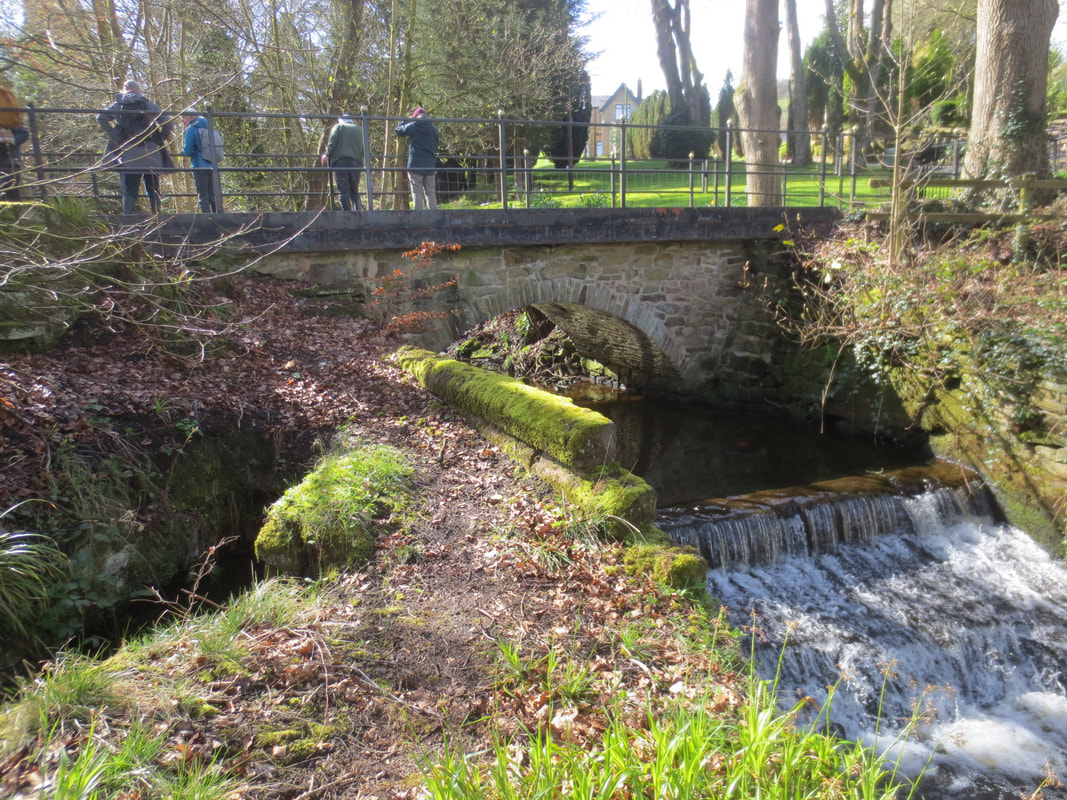 Searching intently.
walk. Between Oxenhope and Haworth four spraints were found, in three separate sites. Mission successfully accomplished. The results will be shared with ecologist Andrew Mather and West Yorkshire Ecology, and River Worth Friends members will continue to keep an eye out as they explore the area.
0 Comments
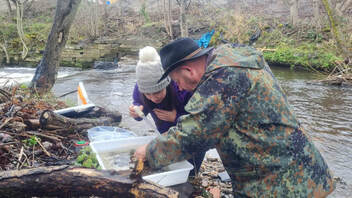
A few months ago we posted a blog about how we use electrofishing to monitor the fish population in the Worth and hence the ecological status of the river. This blog looks at another way of assessing the river ecology. 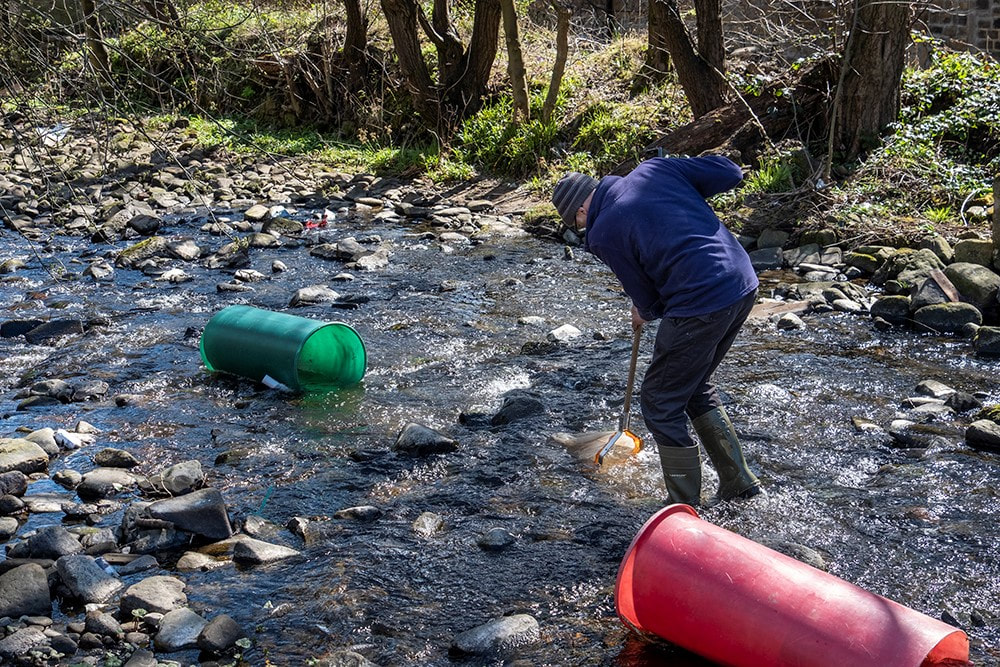 Kick sampling amoungst the debris in North Beck
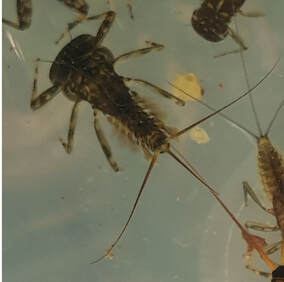
downstream net any bugs dislodged from under the stones. Monitors are looking for eight particular bugs which are especially sensitive to water quality, the counts are scored on a system established by the Anglers Riverfly Monitoring Initiative (ARMI) a drop in numbers below a certain trigger level may indicate pollution, resulting in further investigation by the Environment Agency. Monitoring results over time can also be a general indicator of trends in water quality.Riverfly monitoring has been happening on the Worth since 2016. Initially by RWF founder Phil Sheridan who worked as a one man band at Aireworth Grove until the Aire Rivers Trust took over co-ordination for the Aire and started training volunteer monitors in 2022. A number of RWF members are now trained and monitor sites up and down the Worth and it’s tributaries, we find it a useful way of checking water quality in the catchment. There are now samples sites at various locations along the Worth and tributaries:
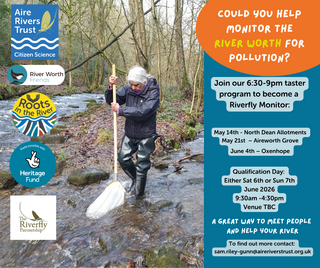
The main stem of the lower Worth running through Keighley scores on or above average for the Aire catchment which is positive. Bridgehouse Beck presents some limited concern. The site at its confluence with the Worth at Mytholmes returns a score just below the all Aire average and returned a confirmed trigger level breach in August 2025, during a period of extreme drought. This is likely due to high nutrient inputs from land-based run-off at the sampling site. ART and RWF are both keen to extend monitoring on the Worth, these flyers give more information. If you would like to get involved in maintaining the water quality of the Worth get signed up now.
A couple of weeks ago we were sent a charming video of a dipper feeding a fledgling on the River Worth in Keighley. We were so impressed we asked the sender if he would like to write a blog about it for us and here it is. We hope that it will inspire people to get out along the river like Liam and really see the beauty in small things..... Liam's blog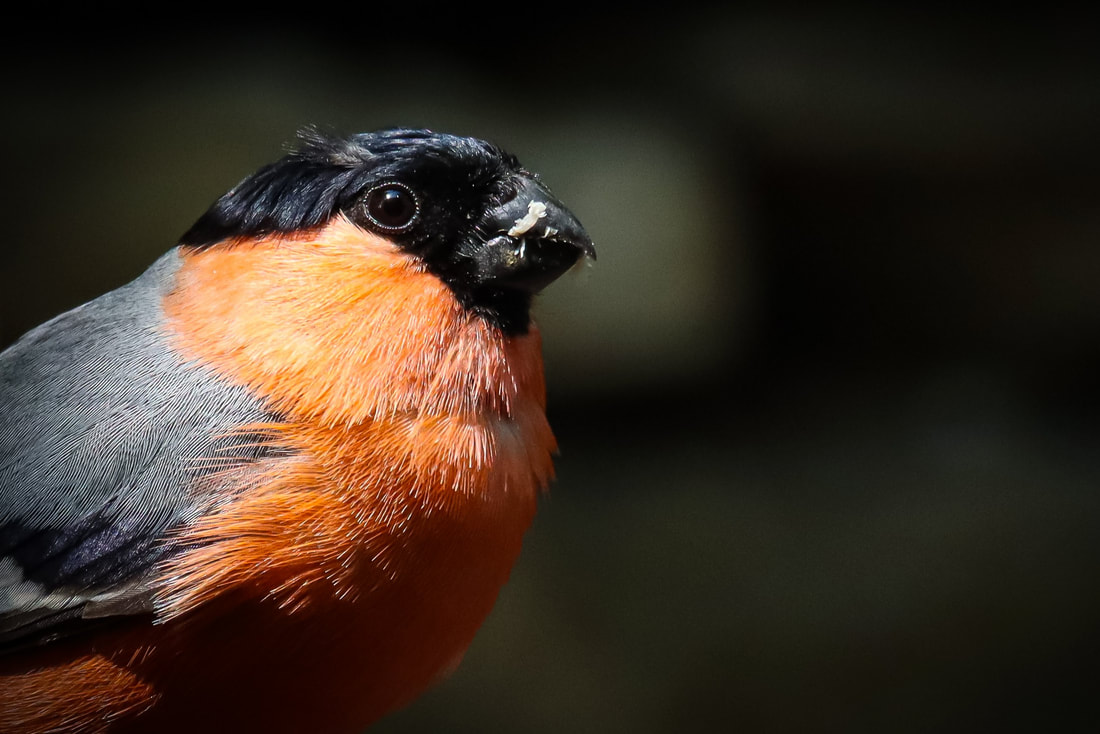 The bird that started it all - Bullfinch. You’re probably wondering who I am, so let’s start there. My name’s Liam. I’m 35, a dad, born and bred in Keighley, and—somewhat unexpectedly—I’m completely obsessed with birds. That obsession didn’t come from a childhood packed with countryside walks or a lifelong love of wildlife. In fact, if you’d asked me a few years ago about birding, I’d have probably shrugged and changed the subject. Everything changed in late 2021 when I moved into a new home beside the River Worth. For someone who now spends every spare moment outdoors, I’m almost embarrassed to admit that at first, I barely noticed it. The river was just… there. Background scenery. Something you glance at through a window and forget about entirely. Then one day in early 2023, during yet another afternoon working at my desk, something caught my eye. Perched proudly on my garden wall was a bird I’d never really looked at before—plump, confident, with a soft peach-coloured chest and a chunky beak that looked like it meant business. I’d later learn its name: Bullfinch. That moment was the spark. I’d always known there was a trail behind my house—one of those places you mentally file away but never actually visit. For reasons I still can’t explain, I decided that day to step outside and follow it. No expectations. No grand plan. Just curiosity. Within five minutes, I saw them again. Not just one Bullfinch this time, but several—chirping away, flickering through the branches, their colours bursting against the lush green of the woodland. I stopped in my tracks. I’d lived here all this time and had never noticed them. Never noticed any of this. That small stretch of woodland and that quiet, unassuming river cracked something open inside me. This was the moment I truly fell down the rabbit hole. 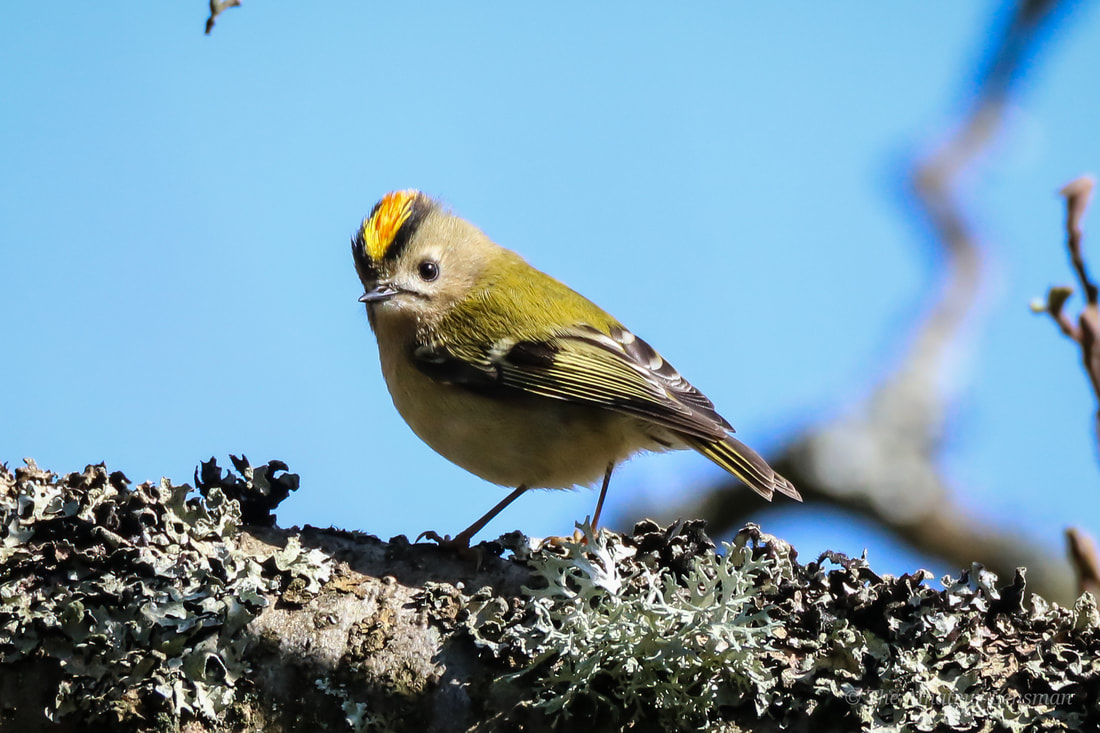 Goldcrest - the smallest European bird. The binoculars came next. Then—inevitably—an admittedly obnoxiously large camera lens. And just like that, my daily routine changed forever. Since then, I’ve been out almost every day. Before work. After work. Rain or shine. Always asking the same question: what might I see today? The answer is never boring. The biodiversity right outside my back door continues to amaze me. The seasons roll through—each one bringing new species, behaviours, colours, and moments that feel like they’re happening just for you, if you’re lucky enough to notice. So far, I’ve recorded well over 50 different bird species. My favourite? The Kingfisher—an electric flash of blue that rockets up and down the river like it owns the place. 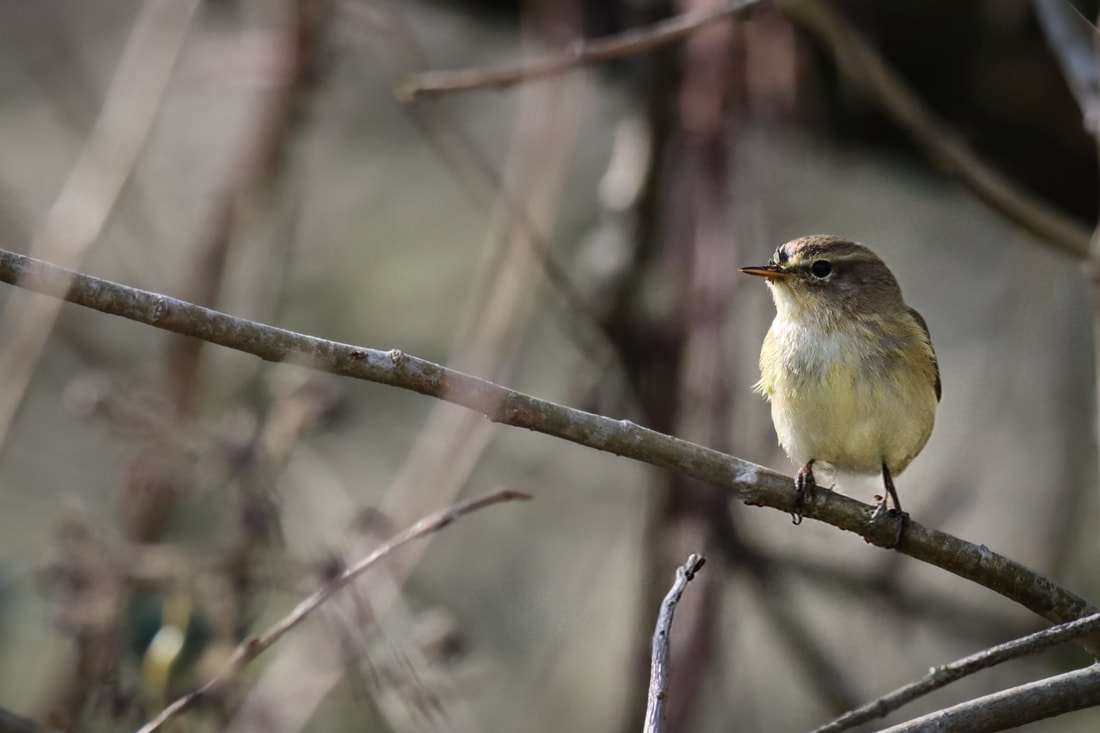 Chiffchaff - you can hear their chiffchaff calls along the river now. But this year, something happened that pushed this passion even deeper. I was doing my usual after-work walk—the kind I’ve done a thousand times without thinking twice. I heard it before I saw anything: the unmistakable, cheerful cheep of a Dipper. A sound that always makes me smile. As the call grew louder, the bird flew upstream and landed. Then I heard something different—a frantic, high-pitched commotion. I stopped. Sat down. Kept my distance. And then it appeared. A tiny Dipper chick emerged from beneath an overhanging tree, wobbling with determination, drawn out by the promise of food from its parent. Brave. Vulnerable. Perfect. I watched in complete silence as the exchange played out. No rushing. Just me and a moment that felt like a privilege rather than an accident. I stayed until the light faded, then quietly left them in peace. Moments like that make you realise how much we miss. People look at places like Keighley and see old mills and tired shop fronts. But if you take that first step outside—really take it—you’ll find wild, breathing, thriving worlds tucked into the cracks. Hidden in plain sight. That little Bullfinch opened a door I didn’t even know existed. Now it’s an obsession I share with my nine-year-old son and my girlfriend. The River Worth has become our home away from home. Huge thanks to River Worth Friends and the volunteers whose tireless work keeps this place alive—you’re genuinely incredible. So that’s me. A once-oblivious thirty-something, now a camera-wielding, bird-obsessed nerd—and honestly, I wouldn’t change a thing. And the best part? I feel like this journey is only just beginning. Thank you for reading, maybe we’ll bump into each other on the trail some time. All the pictures and video were shot by Liam on the Worth. To see more visit his excellent Instagram page - The Amateur Lensman 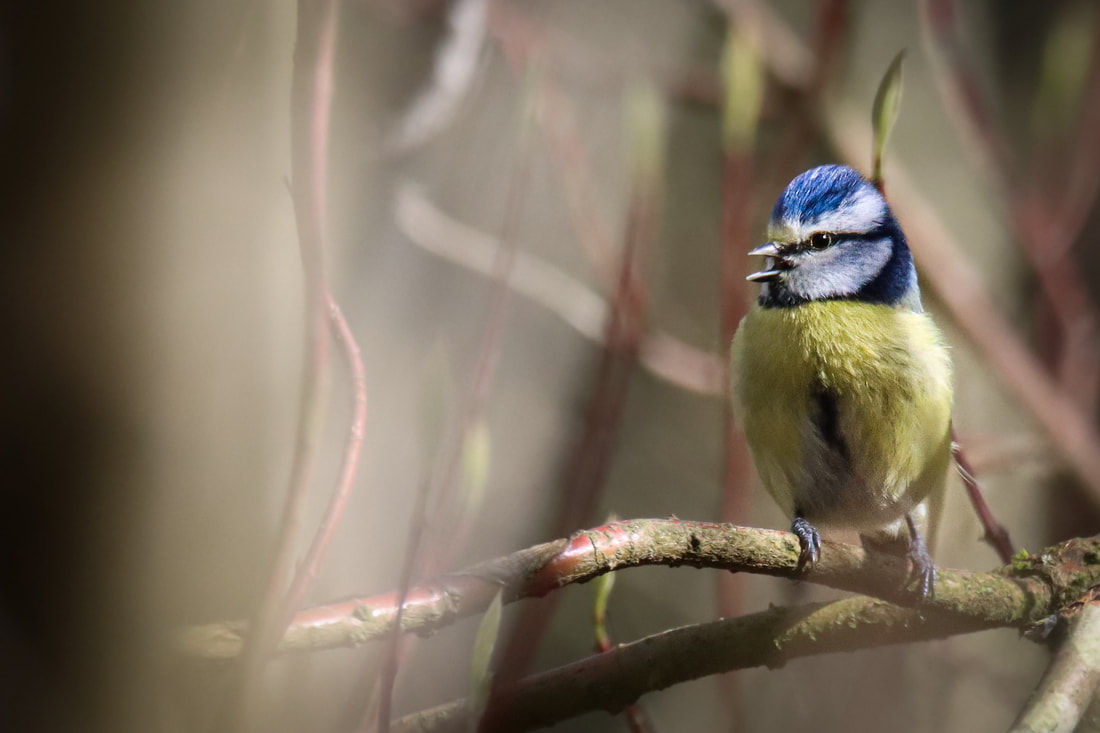 Bluetit  Earlier this month when we were out litter picking and clearing other rubbish, we collected a grand total of 82 bags of litter plus many other items. This is now our new personal best. We started in the morning at Postman’s Walk, always a top spot for litter. The path from the sorting office up to Mohair St was particularly littered. We were especially dismayed by the amount of fly tipping from the properties above the banking adjacent to the path. All in all we collected 20 bags plus various junk.  Twenty bags plus various rubbish were removed for collection by the council. In the afternoon a group of stalwarts decided to tackle some particularly annoying fly tipping at a different location that we have had our eye on for a few weeks. Someone had thrown a loads of black bags of rubbish from a bridge into the river channel. On investigation it appeared that many of the bags contained cannabis farm paraphernalia. A group in waders worked below whilst Barry and Christine hauled the bags up with a grappling hook, hard work for Barry who was starting to flag when a kind passer by lent a hand until the last bag was hauled up. Hats off to our anonymous helper! The total number of bags at this location was 62. So all in all we removed 82 bags and loads of other crap in about four hours, not bad and well done to all involved.    We were a bit knackered at this point! A theme of the day was fly tipping, which seems to be becoming a major blight on the local environment. One thing that we don’t understand about fly tippers is why they have to tip into inaccessible areas. Take the bridge tipping for example, surely it would be easier for them to just dump by the side of the road instead of having to throw it over quite high railings, it would certainly be easier for us to clear if they did so. We wonder if it’s partly trying to hide their guilty secret. Perhaps any fly tippers reading this, which I doubt there are, could enlighten us. Completely unrelated! We also spotted signs of otter under the bridge, an otter spraint and prints. So despite man's messing with the environment nature is still hanging in there! 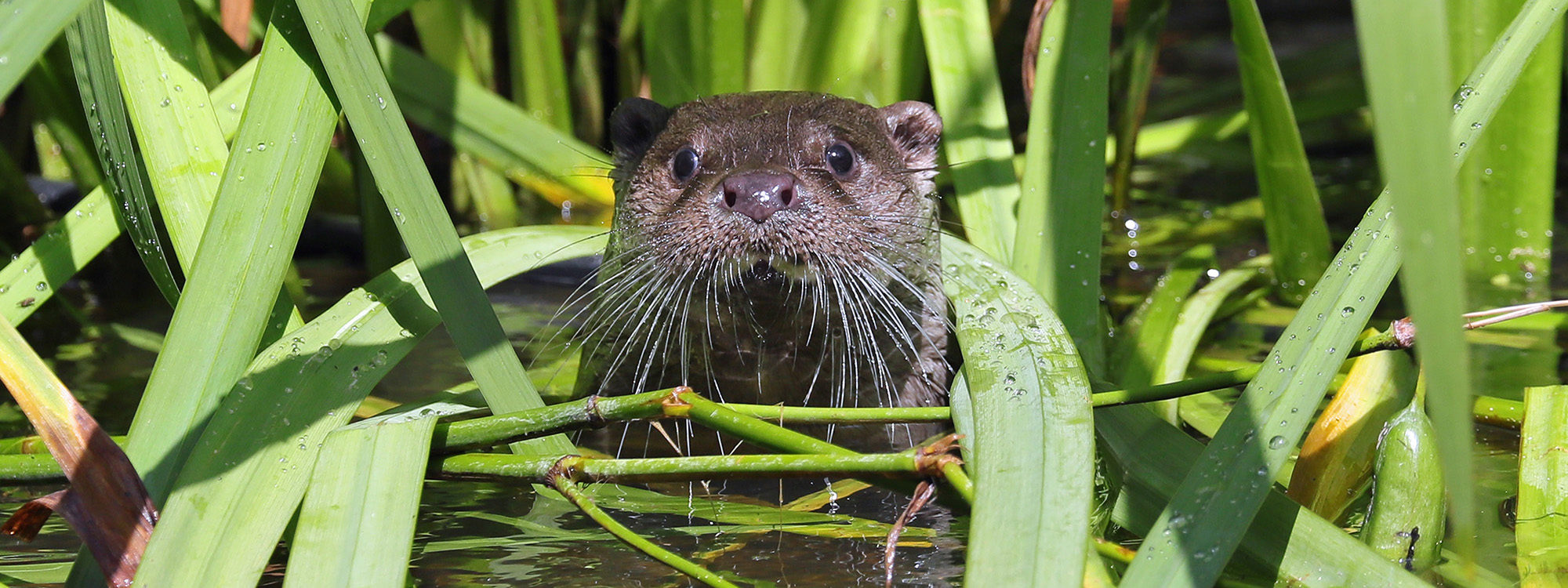 We have known for some time that otter frequent the Worth, see previous blog on this, but do not know the extent of their presence on the whole catchment. So starting this spring we are conducting surveys along the river to spot evidence of otters, if we were lucky this could be actually spotting an otter but more likely it would be finding spraints (otter droppings) or tracks in bankside sand or mud. We are kicking of the project with two survey walks on 28th March and 6th April. Here are the details for both walks. You are welcome to join us. River Worth Friends Otter Survey – Lumbfoot to Haworth – Saturday 28th March We’ll be searching for traces of otters along the River Worth, helping to build a better picture of otter activity on this stretch of river. The most obvious sign is spraints, so we’ll be walking along the river keeping an eye out for them and checking underneath bridges, which are often hotspots. This event is open to everyone and no prior experience is needed. If you'd like to join us, please let me know so that we have an idea of numbers. As the route is linear, it will be easier if participants use buses where possible. Please note that we will negotiating stiles and similar obstructions during the walk so may not be suitable for those with mobility issues. Linear route: just short of 2.3 miles https://www.plotaroute.com/route/3245597?units=km Estimated time: Not a clue! Meeting time: 9:50am Meeting point: Junction of Sun Lane & Lumbfoot Road, Stanbury https://w3w.co/tailwind.directly.applause End point: Junction of Ebor Lane & Lees Lane, Haworth https://w3w.co/stem.ditching.tornado Bus information: Join us on the B1 bus to Stanbury leaving Keighley Bus Station at 9:25am (Stand K) and arriving at the meeting point at 9:50am. At the end point, B1, B2 or B3 buses towards Keighley run approximately every 20 minutes. Parking options: Note that there isn’t space to park at the start point.
What to bring: Binoculars and wellies (plus a walking pole) for anyone willing to get into the river to search for spraints. This walk has been risk assessed, but all participants are responsible for their own safety. Children are welcome if accompanied by a parent or responsible adult. Well-behaved dogs on leads are also welcome. River Worth Friends Otter Survey – Oxenhope to Haworth - Bank Holiday Monday 6th April We’ll be searching for traces of otters along Bridgehouse Beck, helping to build a better picture of otter activity on this stretch of river. The most obvious sign is spraints, so we’ll be walking along the river keeping an eye out for them and checking underneath bridges, which are often hotspots. This event is open to everyone and no prior experience is needed. If you'd like to join us, please let us know so that we have an idea of numbers. As the route is linear, it will be easier if participants use buses where possible. Please note that we will negotiating stiles and similar obstructions during the walk so may not be suitable for those with mobility issues. Linear route: just short of 2.3 miles https://www.plotaroute.com/route/3245628?units=km Estimated time: Not a clue! Meeting time: 10:31am Meeting point: Junction of Lowertown & Station Road, Oxenhope https://w3w.co/instilled.wicked.palaces End point: Bridgehouse Lane, Haworth https://w3w.co/foggy.preoccupied.shopper Bus information: Join us on the B3 bus to Hebden Bridge leaving Keighley Bus Station at 10:05am (Stand K) and arriving at the meeting point at 10:31am. At the end point, B1, B2 or B3 buses towards Keighley run approximately every 20 minutes. What to bring: Binoculars and wellies (plus a walking pole) for anyone willing to get into the river to search for spraints. This walk has been risk assessed, but all participants are responsible for their own safety. Children are welcome if accompanied by a parent or responsible adult. Well-behaved dogs on leads are also welcome.
Pictures courtesy of RWF member John Tickner.
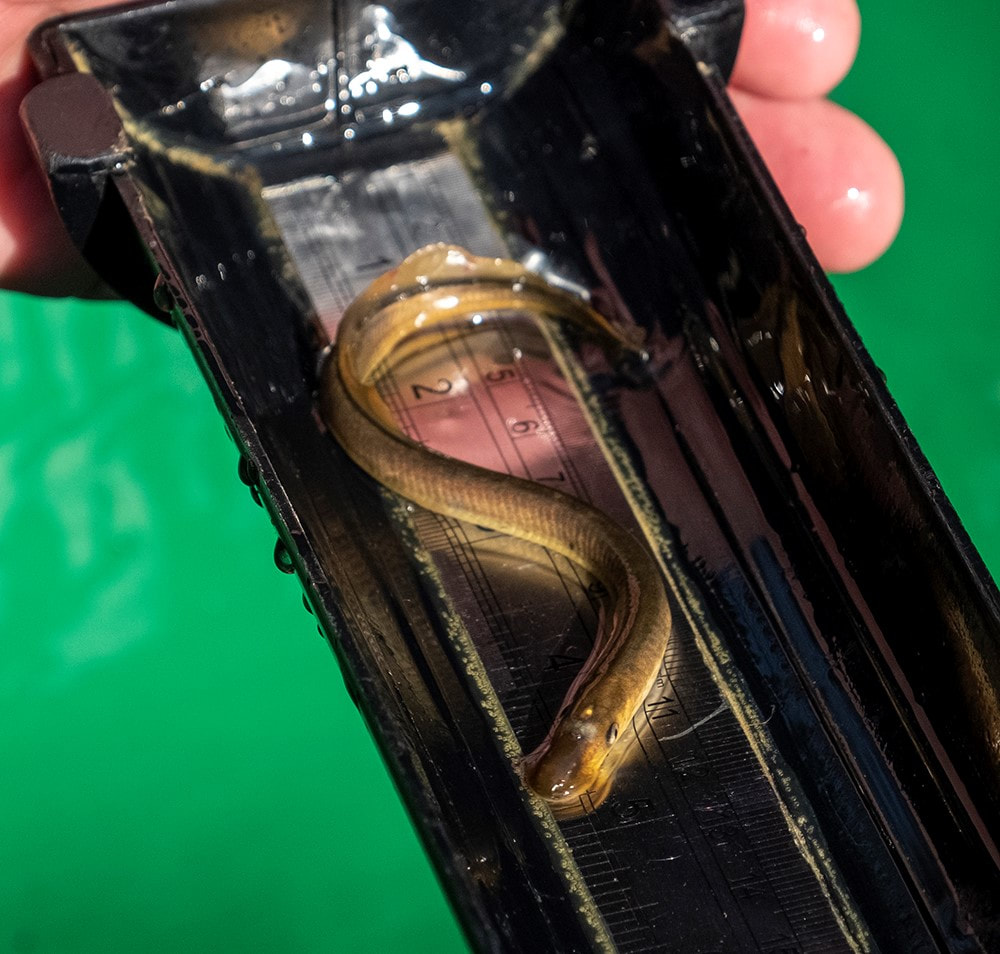
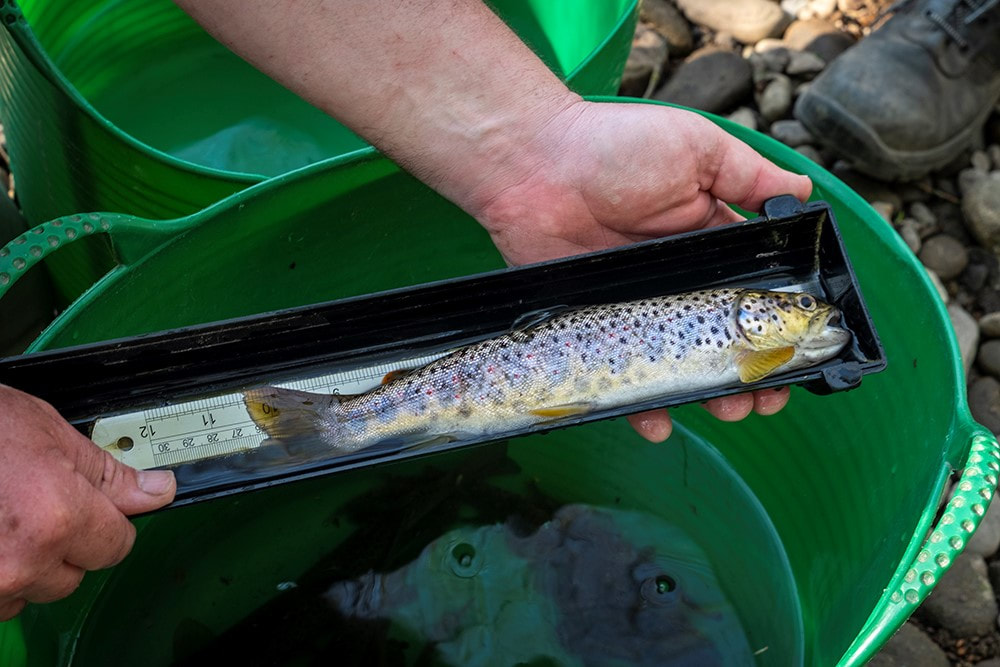 Measuring a brown trout, 260mm. River Worth Friends and the Aire Rivers Trust have been monitoring the ecological status of the Worth for a number of years. We have used two methods for this; electrofishing to count the actual number and species of fish and riverfly monitoring to count the number of invertebrates (bugs) living in the river, on which the fish feed. As we have been doing this for about five years we can start to detect trends in the numbers. In this blog we will look at how we electrofish and then analyse the results. Electrofishing involves passing an electric current through the water to momentarily stun or disorientate the fish, making them easier to catch, we then take a count and measure the length of some species. You may have seen us demonstrating this at the Trout in the Town Conclave we hosted earlier this year. Fishing usually involves a team of 4 to 6 people, headed by Prof. Jon Grey of the Wild Trout Trust who wields the electric probe, there are two catchers with nets who scoop up the fish when they appear and pass them to the fourth person who keeps them in a bucket of water for later counting and measuring by one or two people on the bank. I said that the stunning makes the fish easier to catch but the job of the catcher is quite tricky as the fish are only briefly immobilised so you have to be quite quick witted and sure footed.  Electrofishing team, left to right, catcher, bucket holder, Prof Grey with probe, catcher Once counted and measured the fish will be fully recovered and are released back into the river. Five approximately 50 metre stretches are fished each spring. The lowest is by Kinara Close whilst the most upstream is at Damems. We asked Prof. Grey to explain some of the trends showing from the data over the past five years:
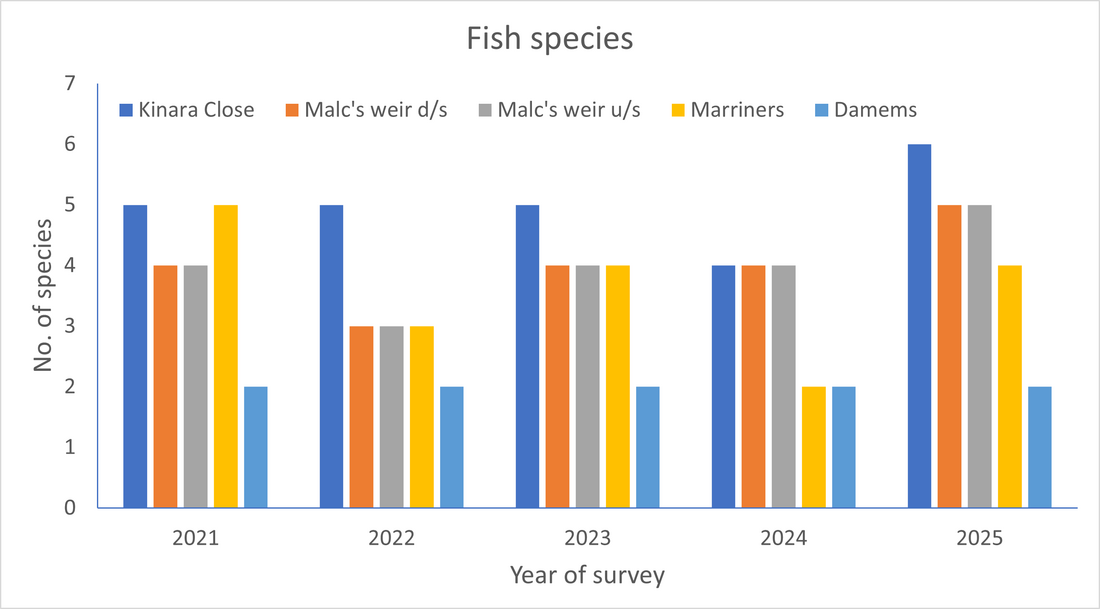
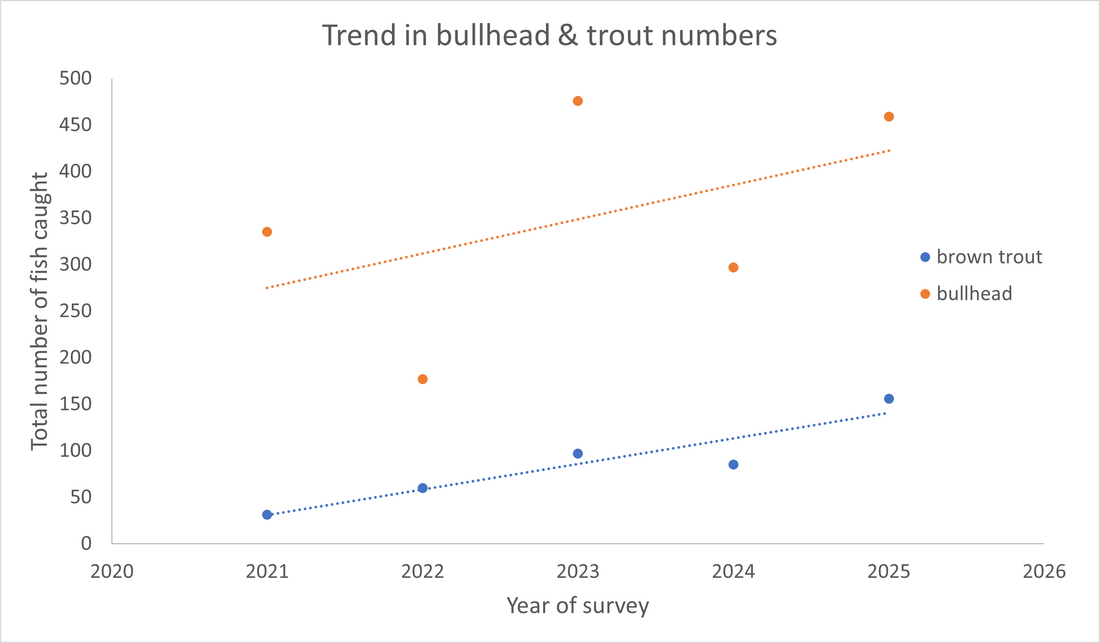
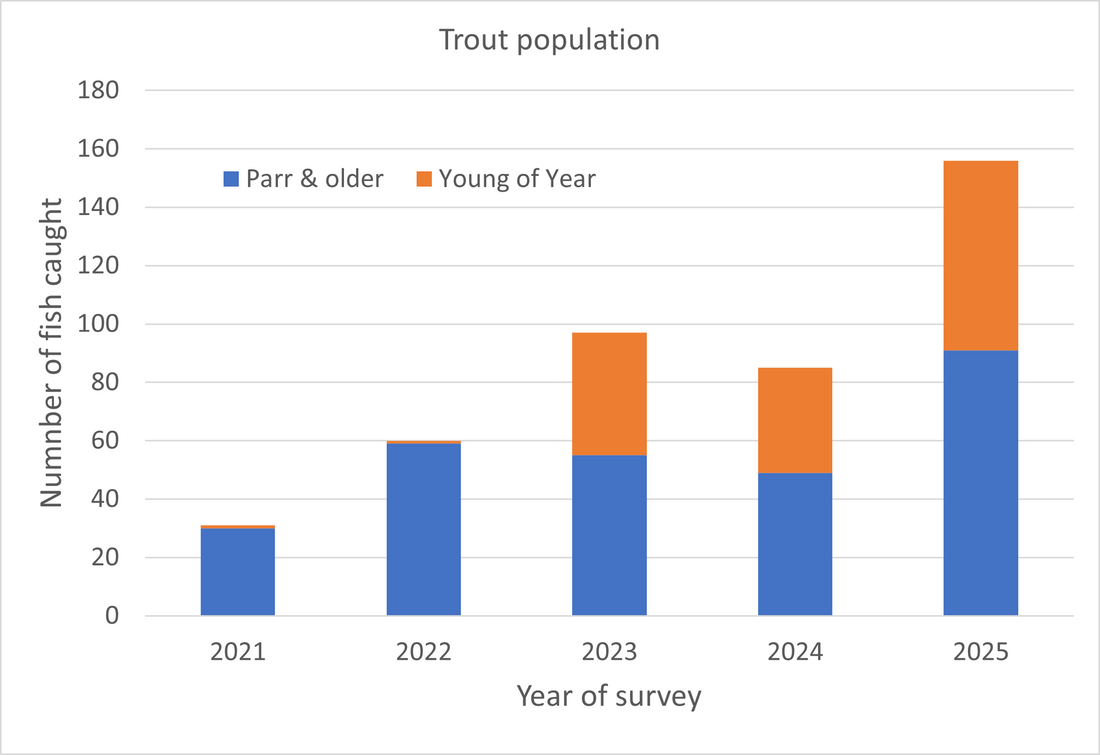 Our thanks to Prof. Grey for that interesting analysis. That last graph is particularly enigmatic, will the 2026 results show a continuing upward trend of older fish due to the recruitment from the previous young of year? We will let you know.
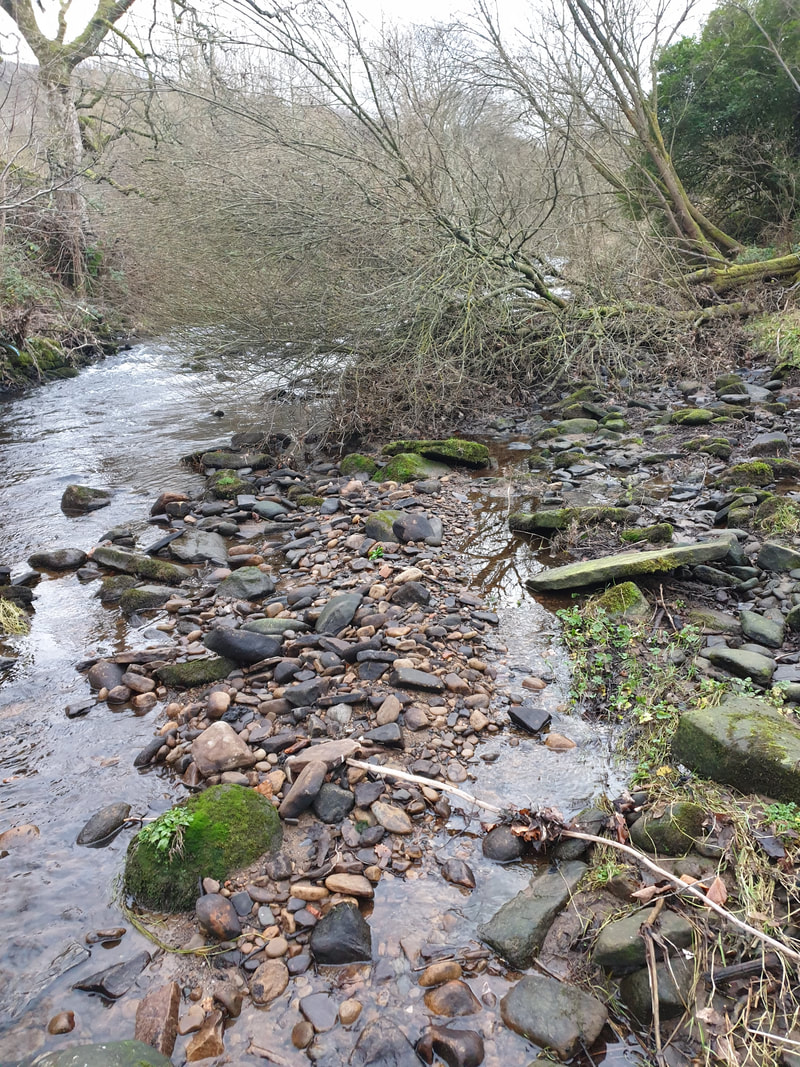
People walking by the river at Damems recently may have noticed some riverside trees have been felled and left in the river. What’s that all about!? It’s part of the River Worth Improvement Project (RWIP) and is intended to improve the in-river ecology. Here Sam Riley-Gunn of the Aire Rivers Trust and project leader for the RWIP explains what it’s all about. Read on…. 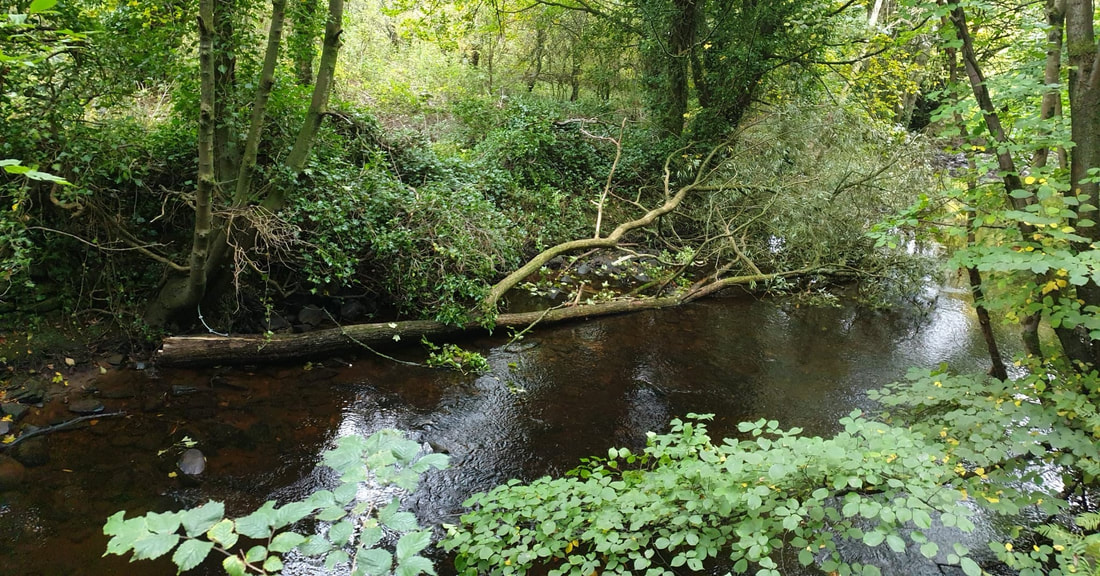 From the start of the industrial revolution, we have changed the shape of the River Worth from its natural irregular path to a high sided, straight, fast flowing channel. This has had an impact on the ecology of the river, making it less attractive to wildlife. One of the aims of the RWIP was to enhance the river environment for wildlife. At the Damems Nature Reserves, Aire Rivers Trust and the Wild Trout Trust have been introducing tree kickers to the River Worth. These are trees that have been felled into the river channel and securely anchored to the riverbank with steel cables. The aim is to mimic the natural presence of large woody matter that historically would have naturally fallen into the river. Though simple in design, these structures bring profound benefits to the river, its wildlife, and the surrounding community. They will restore natural river processes by breaking up the monotony of the artificial fast, straight, flows. Hover over image to read caption. As water moves around and through the submerged branches, it slows in some areas and accelerates in others, creating pools, riffles, and eddies that reshape the riverbed. Sediment begins to settle in calmer zones, while gravel is scoured clean in faster currents. This is important on the Worth as its fast straightened flow limits the build-up of clean gravel beds that are vital spawning grounds for fish such at brown trout.
nature-based solution is invaluable. It works with the river’s own processes rather than against them, offering resilience without the need for expensive concrete engineering. The benefits extend to people as well as wildlife. Damems Nature Reserve is already a cherished green space, and the revitalised river enhances its appeal. Visitors can witness the transformation firsthand, spotting darting fish, flourishing plants, and the possible electric blue and orange flash of a kingfisher along the water’s edge. The project also strengthens the River Worth Friends and Aire Rivers Trust’s wider mission to restore the Aire and Worth catchments. With the tree kickers marking the completion of the first phase of work to restore the Damems Nature Reserves. Future works are planned with Bradford and Keighley Town Council to introduce wildflower meadows, create fruit and flower rich riverside woodlands alongside an ambition to restore a large wetland on the Bradford Council owned section of the site. 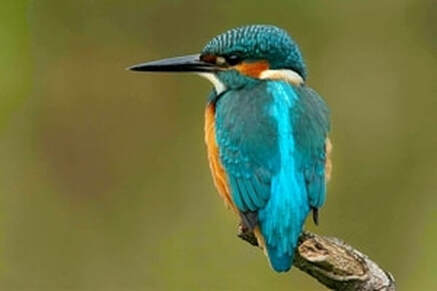 A big thanks to Lucy Johnson for this lovely blog about the Muppet Memorial Walk organised by RWF for the Keighley Walking Festival. If you would like to write a blog on a River Worth matter please contact us.  What better memorial to a much loved person than leading a favourite walk in their memory? As part of Keighley Walking Festival the River Worth Friends organised a walk from Stanbury to Keighley on Saturday 27th of September. This walk was advertised as “Muppett’s Walk.” At several points during the hike walk leader Sue Patchett shared memories of Michael Pascal, who preferred to be known as Muppett. Muppett was passionate about broadening access to the countryside. He campaigned for many years to ensure access to the Dales bus service that runs from Keighley. He was good-humoured, invariably clad in Crocs, and passed away very suddenly last year.  Muppet on a walk in 2022, in the middle with crocs. Muppet on a walk in 2022, in the middle with crocs. The Stanbury walk followed a route devised by Muppett. It was attended by 14 intrepid walkers, and led by Sue supported by Malcolm Eldon, on a bright autumn day. Most participants met at Keighley bus station, where Sue was proudly sporting an eye-wateringly bright Walking Festival hat, the familiar River Worth Friends high-vis and jazzy trousers. The bus route up the valley was scenic and calm, through a landscape studded with scenic villages, known for the Keighley and Worth Valley Railway and its role in the 1970 version of The Railway Children. We arrived as scheduled at the meeting point and acquired a few more participants, with only Malcolm and Rita sporting bare knees in the late September sunshine.
commented, “I’ve got lots of faults, but organisation isn’t one of them.” She also said that she can easily spend four hours at a time on her computer emailing local councillors or uploading and updating photos. She commented on her abrasive, effective campaigning style: “You’ve either got it or you aint!” We continued over the gentle hills, mostly through green fields, with the occasional tweak here and there to add a bit of woodland or avoid a road. As we neared Keighley, we were treated to the deisel train passing at Damem’s station, holding us up at the barrier as Malcolm snapped a few more shots.  Diesel trains have no character! The planned lunch spot was postponed due to winds, so instead we settled down close to the campfire spot at Damem’s Nature Reserve. Unfortunately, it seems that the spot is beloved by local dogs, who had chosen well-targeted spots to leave evidence of their walks, reducing the number of available perches. Sue regaled me with the escapade of Malcom’s Weir over lunch. It was detailed and dramatic enough to merit its own blog at some point, although Malcolm claims that the majority of Keighley is already familiar with the tale. Lunch completed, we continued back to Keighley, spotting ink caps on the way, and arriving back close to the train station to finish the day. Several walkers peeled off as we returned to the town, leaving a small group to bid farewell to near the train station. We were fortunate with the weather and the route was excellent. Sue proved herself to be a patient leader, even with Malcolm’s occasionally loose interpretation of back-marking. I highly recommend checking out more of the programme next year.  Your blogger, Lucy Johnson, frightening the walkers.  Picture courtesy of Rob Withey. Unfortunately not photographed on the Worth. Everybody loves otters, except perhaps for anglers and pond owners! We have otters visiting the River Worth, here's a little information about otters in general and in more specifically about their life on the Worth. Back from extinction. In the 1970’s the otter was close to extinction in England, only being found on 6% of surveyed sites. The steady decline earlier in the 20th century was largely due to water pollution with agricultural pesticides, other factors were illegal hunting and habitat loss. Following new regulations to control damaging pesticides, such as dieldrin and aldrin, instituted in the late 1970s, and the passing of the Wildlife and Countryside Act of 1981 which lead to habitat restoration, otter numbers have steady increased. This has been partly by natural territory spread but also due to managed re-introduction in areas such as east Anglia where they were previously completely absent. The increase has been remarkable, in 2018 otters were found at 96% of surveyed sites in England. Otters on the Worth. River Worth Friends are pleased to say that the Worth is no exception, otters or signs of their presence have been seen at a number of locations on the river. Otter range over a wide territory, a female may cover 20-30 km or river, a male territory may include a number of female territories. So we suspect that the otters on the Worth are not actually resident but visitors from the Aire, we are hoping that an upcoming survey will be able to get more detail on this. Is it an otter or a mink? It is easy to mistake a mink for an otter and vice verse. Here are a few features to distinguish them:
There are brief videos of a an otter and a mink on the Worth later in the blog. They show the different confirmation of the mink to the otter. Otter spotting. English otters are elusive creatures! They are mainly crepuscular, emerging at dawn and dusk, so they are usually out in the dark. The best way to find out if otters are present is to look for their spraints, posh name for droppings, or for their prints. You could also try filming with a trail camera.
Otter spraint usually has a sweet, fishy, some even say jasmine tea-like scent, while mink scats smell like shit, or some say burnt rubber . RWF members have spotted otter spraints by the river at Pitt St. and under the bridge at Dalton Lane, both close to the centre of Keighley, we didn’t need to sniff them.
Trail camera. If you really want to get into otter spotting you could set up a trail camera along the riverside. You obviously need to find a secluded location and camouflage the camera well, we understand there might be some dishonest people in Keighley who may steal it. Try to find somewhere with a gentle sloping bank, possibly under a bridge. We have filmed an otter in the river near Pitt Street. Clearly Pitt Street is a favourite otter hangout. Help River Worth Friends. If you have any luck otter spotting we would love to hear from you. Any information will help us build up a picture of otters on the Worth. Report any signs or sightings via our contact page, Brief shot of otter filmed on trail camera at Pitt Street. Brief video of mink filmed on the same day and location as the otter Otter facts. The otter family: Otters are part of the mustelid family, so related to weasels, stoats, mink and badgers Size: A full grown male otter can be up to 95cm plus a tail of about 40cm females are shorter. They weight between 7 to 17kg (15 to 37 lb). Lifespan: Up to ten years though many die well before that. Nowadays the main cause of death is road accidents. Diet: Mainly fish such as trout, grayling, eels and carp (on the Worth it would be trout and grayling) but also amphibians, crustaceans (lots of crayfish on the Worth), and waterbirds like moorhens and ducks. They also hunt on land, occasionally consuming small mammals, birds, and insects. Offspring: Young otters, known as pups or cubs, are born from May to August, they are blind, weighing about 100g (3.5oz). Female otters can delay implant of the embryo meaning they can mate at any time but delay implantation to give birth when conditions are right.  A pair of young otters, not on the Worth, these photgraphs were taken at the Strid on the Wharfe by RWF member Malcolm Eldon.  One of River Worth Friends main activities is picking up plastic bottles and cans from in and along the river, over half of the rubbish we pick up is drinks containers. We don’t do this because we are obsessed with tidiness! Plastic is a scourge in our environment remaining for hundreds of years, plastic in our rivers will be distributed along the banks and eventually out to sea, having a lasting effect on marine life. The plastic bottle dropped in Keighley could end up in the stomach of a dolphin in the North Sea. So it was with a mixture of pleasure and disappointment that we heard the governments recent announcement about the proposed deposit return scheme (DRS) for plastic bottles and cans. We’re pleased to hear that it will be up and running in October 2027 but disappointed that it has taken so long for Britain to emulate many of our more environmentally conscientious European neighbours. The scheme was first mooted by Michael Gove, then Environment Secretary, in 2018. Nine years to introduce a relatively simple but environment changing measure, our politicians need to get their finger out! How will the scheme work? Well actually we don’t quite know, that’s still got to be worked out but basically when you buy drinks in a plastic or metal container an additional deposit (possibly 20p) will be paid which will be returned when the empty container is returned. This is limited to 150ml to 3 litre bottles or cans. Retailers will have to provide a return facility, either automated or manual, with certain exceptions.  In future someone could make a bit of money returning these bottles, instead of spreading them along the path. The government plans to set up the Deposit Management Organisation(DMO) in April this year, they will fill in the details on how the scheme works and ensure manufacturers and retailers conform. With British consumers buying over 30 billion single use drinks containers a year, this scheme is long overdue. Currently there are over 50 countries world wide running DRS schemes, European countries running schemes report an over 90% return rate, with Germany leading with 98%. RWF find that well over 50% of the litter we collect along the river is drinks containers. If the people of Keighley prove to be as sensible as the Germans then it will have a fantastic impact on our work. If not, well perhaps it will be a big boost for our funds!  Our first collection in 2025, at Postman's Walk. We reckon over 50% of this was drinks containers. This scheme will not only have a huge environmental impact it will also contribute to the circular economy, with the collected bottles and cans being recycled. The government claims it will create 21,000 new jobs and £10 billion of investment in the recycling industry over the next ten years. We feel that it’s a pity that the DRS in England does not include glass bottles as it does in Scotland and Wales, if it did it would reinforce the circular economy even further and also get them off the river bank.
Let’s hope that the DRS and the disposable Vapes ban coming into force in June will improve the environment in Keighley and also reduce the amount of plastic in the river. |
Categories |






 RSS Feed