
 River Worth Friends are looking for volunteer pollution hunters. River Worth Friends are constantly on the lookout for pollution entering the river and often report incidents to the Environment Agency. However this is just done on a rough and ready basis, so we have decided to take a more active approach to pollution spotting.
To combat this we are setting up a network of volunteers to check the water quality, look for illegally discharging CSO’s and report incidents to the EA. Water quality can be checked by
So we are looking for volunteers. If you are interested we will be having a meeting to explain the scheme at The Bronte Hotel, Lees Lane, Haworth, BD22 8RA, on Thursday 26th January (see flyer below for more details). No experience or special knowledge is required to be a monitor as full training will be given. Joining the monitoring network is a good way to get out by and even in the river and to find out more about the its ecology. Plus you are helping to improve it for the people and wildlife. Looking forward to seeing you at the Bronte on the 26th. 
0 Comments
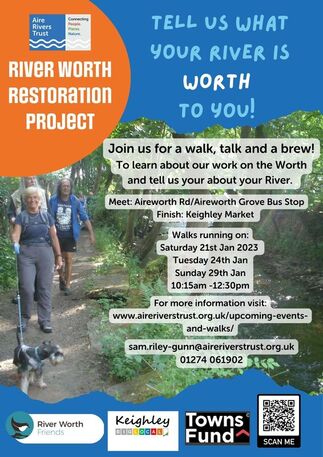
River Worth Friends team up with Keighley Big Local and Aire Rivers Trust for major project to improve the River Worth from Keighley up to Haworth. Most people know River Worth Friends for litter picking and pulling rubbish out of the river but we have always been keen to do more than that, especially in two main areas:
We have secured generous funding from Keighley Big Local, Keighley Towns Fund and the Environment Agency. We have plenty of ideas for how we would like to make the river a better place; improving the river habitat, resurfacing the footpaths, way marking and providing information about its heritage and natural history are just a few. But we really want the project to come from the people who live and work alongside the river, that’s why we have organised a number of events for you to say how together we can make the river better.
This restoration project could transform how we relate to the Worth and it's tributaries, come along to one of these events if you want to have a say about how this will be. It would be great to meet you and hear your views.  Fishing North Beck There seems to be a real groundswell of opinion regarding sewage pollution in our rivers and it appears that our politicians are starting to take notice. To push harder on this Surfers Against Sewage and Plastic Free Leeds are demonstrating at Rodley in Leedson 22nd October. The more people there the stronger the message 
The strength of public opinion forced the government into an embarrassing last minute climb down on sewage discharges in the Environment Bill of 2021 (Times 26/10/21), they were forced to introduce additional measures to make water companies limit the amount of sewage reaching our rivers and beaches. However many of these measures are long term and the funding for Environment Agency enforcement remains very limited following considerable cuts in funding in recent years. Recently a number of Environment Agency employees have expressed their concerns over the agency limiting their options to investigate pollution incidents. The repeated funding cuts mean the number of investigators has been reduced over the years, now the agency has a policy of only investigating level three incidents and just recording more minor events. (Guardian 20/1/22).
More good news on the pollution penalty front was the recent statement from the Environment Secretary Ranil Jayawardena that he will raise the penalty for discharging sewage into rivers from a paltry £250,000 to a refreshingly punitive £250 million. The aim being to make the water companies sit up and take notice and really clean up their acts. (Daily Telegraph 30/9/22) So it seems that public pressure is bringing some improvement in our rivers and on our beaches. But they are a slippery bunch these politicians and polluters! We need to keep the pressure on both to make sure they follow through with their promises, especially the water companies. A good turnout at the Rodley demonstration will send a firm message to Yorkshire Water. River Worth Friends will be there, we hope others who care about our rivers will also be able to come and make their voice heard. 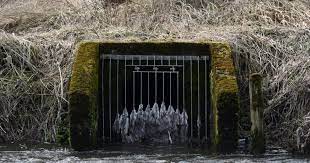 Wet wipes are just the pollution you can see. Think of the crap in the river you can't see!  Jon Grey with the electro gear, two netters and bucket carrier bringing up the rear. Last week RWF volunteers and Aire Rivers Trust staff electro-fished at five locations on the river, they were led by Prof. Jon Grey of the Wild Trout Trust. This was a repeat of the session held last year which we talked about in a previous blog. Electro-fishing involves passing an electric current through the water to very briefly stun the fish which are netted, measured and then released unharmed. We do this to check the population and to get an understanding of how the various weirs on the river affect the distribution.
Most of the time we were electro-fishing there was a hatch of mayfly coming off the water, with fish rising to them. One of our volunteers had a rod with him so decided to try for one, watched by the rest of us (always a bit disconcerting), he landed a fine 33cm brown trout. He tended to lose interest in the electro-fishing after that and we didn't see so much of him! We also watched a family of ducklings jump off Malcolm's weir, also no one fell in. 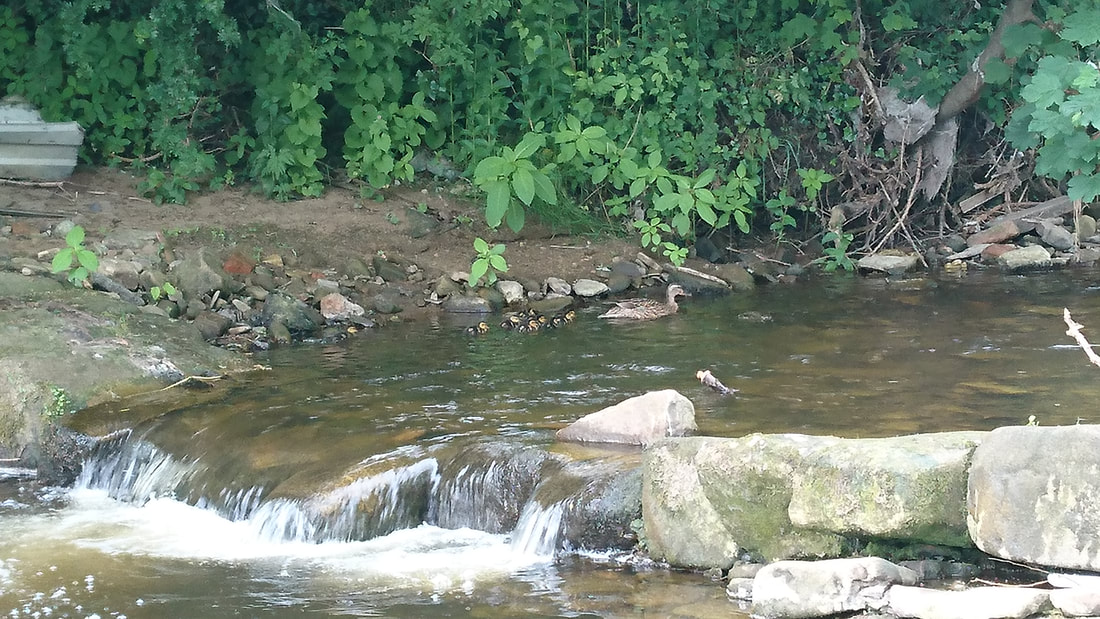 The duck family before the great leap forward!  River Worth Friends were very concerned that the fire at Dalton Mill may have led to pollution of the river. You will remember that there were about six tenders pumping water from the river to fight the fire, much of that water will have run off, probably into the river, carrying pollutants from the burning mill. We thought that the contaminated runoff may have affected the river fauna.
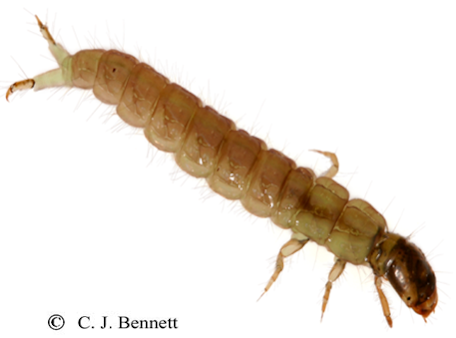
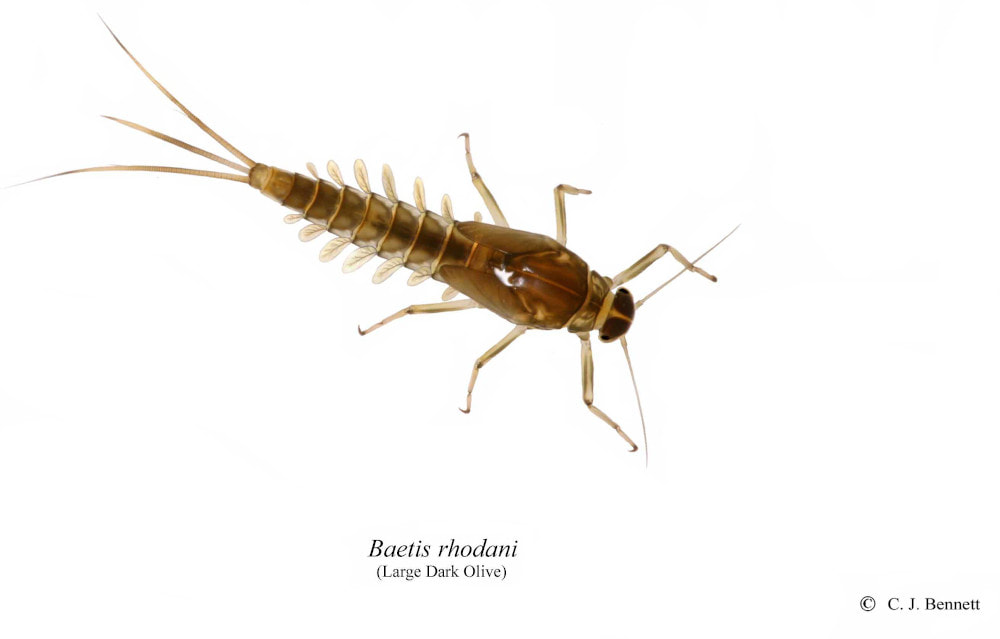
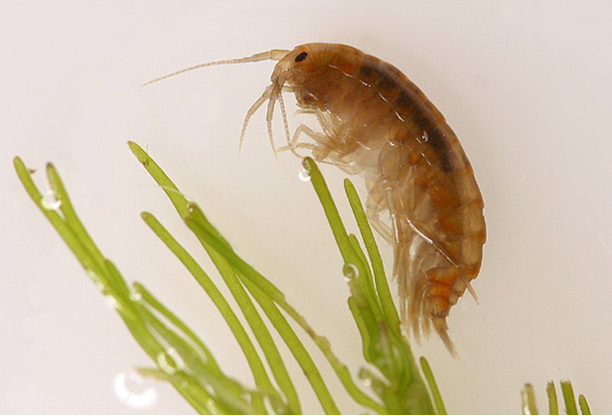
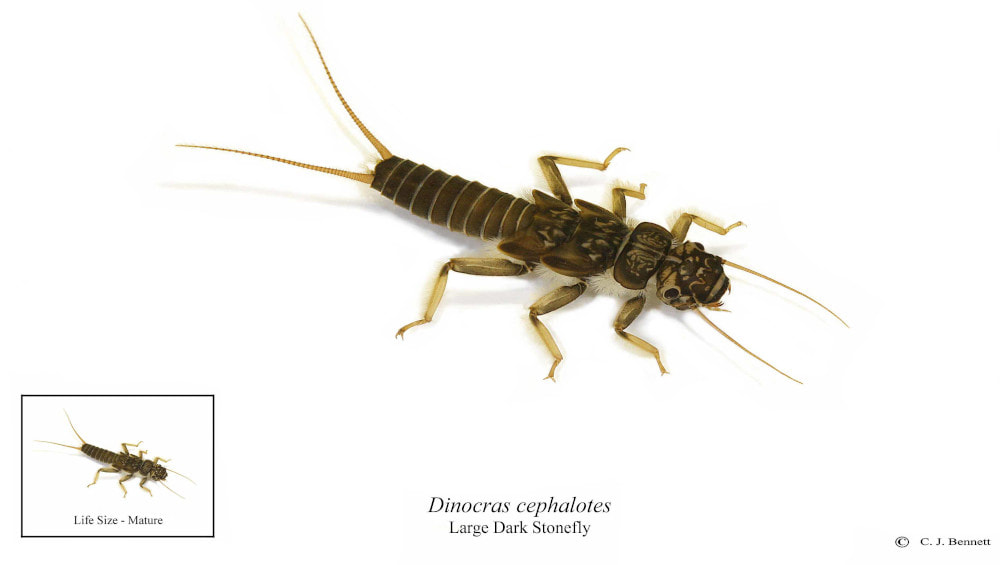
To check the health of the river following the fire we recently did a kick sample below the bridge by the mill. We were very relieved to find that there was a good population of invertebrates showing, indicating that the river has not been unduly affected. Here are the figures from the recent sample with some from a sample last autumn for comparison.......
The figures do show a slight drop in population but this is not significant. Nationwide a group of local volunteers regularly sample sites on their local rivers as part of the Riverfly Partnership with the Environment agency. They are an important part of the agency's pollution monitoring. For a couple of years RWF have sampled at a number of sites on the Worth and North beck on an informal basis but recently two sites, one on North Beck and one below Woodhouse bridge, have been registered with the Riverfly Partnership. We are looking for volunteers to sample at these sites. 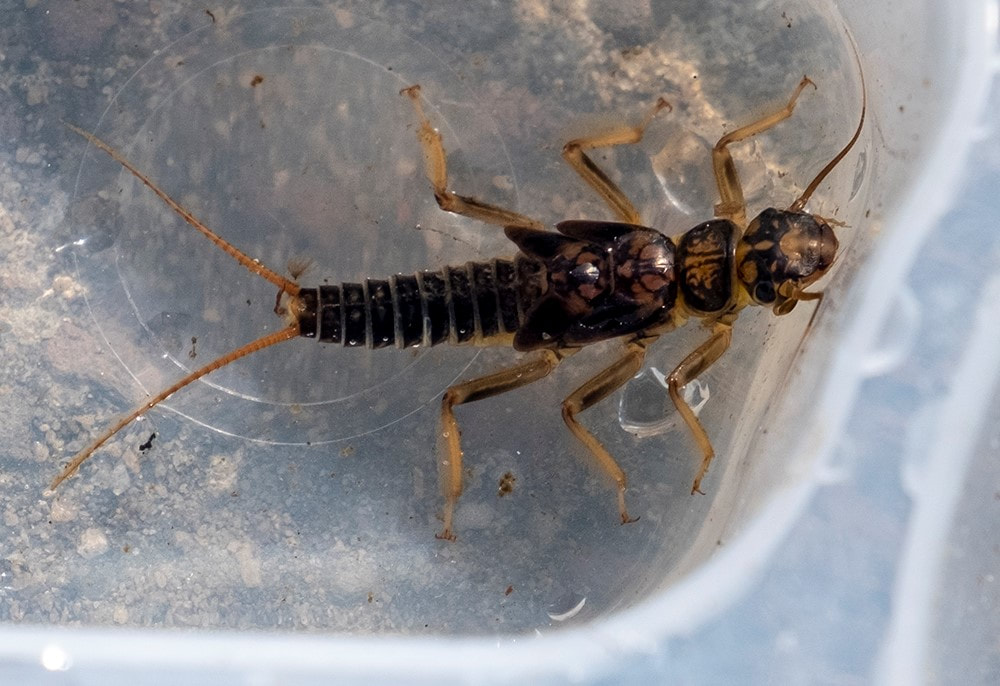 Stonefly nymph from North Beck. On Saturday 2nd April at 10.00 am by the river at Aireworth Grove there is an opportunity to find out more about river flies on the Worth as we are encouraging people to get in the river with a net and get kicking to see what turns up, we will have experts on hand to help identify the invertebrates. It will be a great opportunity to find out more about the life in our wonderful river, so if you want to find out more please come along. Bring the children as well as kick sampling is almost as much fun a pond dipping!  Spot the bugs in just part of this sample tray from North beck. So finally, in part three of Robert (aka Urban Pollution Hunter) Hellawell's sewage trilogy we find out about misconnections and how they are a danger for our river. But first we explore separate sewer systems. Read on............ 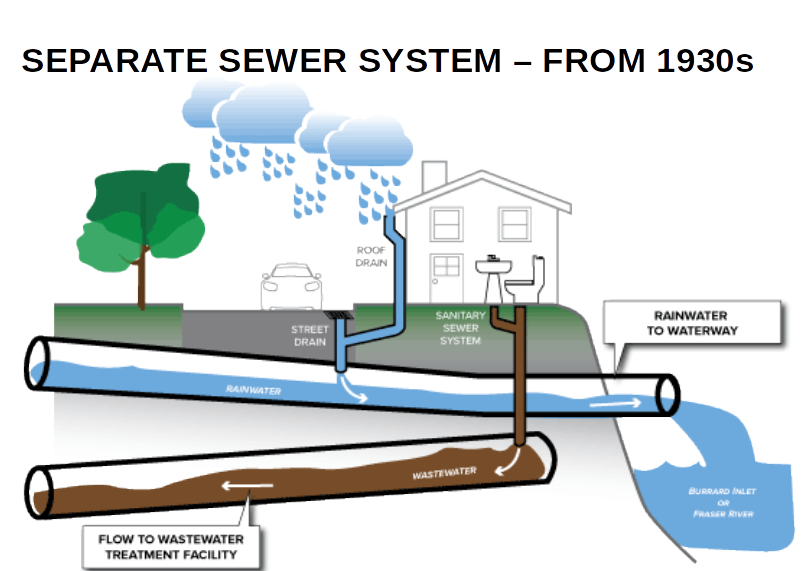 Separate sewer system. Separate Sewer Systems are a development of combined sewer systems. With the rapid expansion of our town and cities it was realised that the combined sewers built in Victorian times would soon struggle to cope with this growth. It was decided that removing rainwater from the combined sewers would help. This would reduce the number of spills from CSOs into our rivers when it rains. Essentially, all post-war housing in the UK has 2 separate sewers, one for the foul waste from toilets baths, sinks etc., and a separate sewer just for the run-off from rooves and road gullies when it rains. The foul sewer joins into the combined sewer and is transported to the wastewater treatment works for cleaning treatment before being returned to the river. The surface water sewer transports the rainwater directly to the nearest river or beck without any treatment.  Misconnections into surface water drains are all too commonplace. Having two sewer systems means that mistakes can be made where toilets, sinks and baths are plumbed into the surface water drain in separate sewer areas. The effluent from these misconnections flows straight into the nearest river or beck and causes low grade, diffuse pollution.  New extensions of kitchens and bathrooms are often connected into the wrong sewer by unscrupulous or uninformed tradesmen. This causes avoidable pollution of our watercourses that is both difficult to trace and expensive to repair. If you are having work done, ask your plumber if he is “Water Safe” accredited and understands the risk of pollution from misconnections.  Domestic misconnection discharge recently spotted at Silsden Beck. Are you Misconnected? We can all check to see if we are polluting our rivers from our own homes. Firstly, we need to figure out if our home is served by a separate sewer system or not. If your home was built after the second world war, then it is likely that you are on a separate sewer system. If you are on a separate sewer system, there will be two drainpipes connected to your home. One will take the rainwater from your roof, the other will take the foul effluent from toilets baths and sinks. There should be no connections from sinks, baths or toilets into the drainpipe that takes the rainwater from your roof. The ConnectRight website is extremely helpful in finding out if you are misconnected and to find a local plumber who is “Water Safe” accredited. Not all misconnections are from extensions and alterations. There have been multiple instances of new build houses being connected into the surface water sewer by the developers! One such development which has recently been traced and rectified on Bradford Beck dated back 25 years. Other similar instances are much newer and are a source of acute embarrassment for the authorities who have passed off new build houses without checking where the effluent ended up.  25 year old misconnection of 1990's houses plumbed into Bradford Beck. Not all misconnections are new. With our rich, industrial heritage being increasingly recognised, vacant, old industrial buildings are being repurposed. Many old buildings date from a time before there was any local sewage treatment. Marley wastewater treatment works, which processes the sewage from Keighley, was not constructed until the early 1900s. Before this time, all effluent was simply piped straight into the nearest river. Redevelopments of old buildings sometimes use existing drains not knowing that they take the sewage straight to the river just as they did in the old days!  Culverted Carr Mires Beck discharging sewage into the Aire at Shipley from redeveloped former mill. redeveloped former mill.) Only rain down the drain please! In separate sewer areas, the gullies that drain our roads lead straight into the river. This means that when you wash your car on your drive, or the road, wash paint brushes out, or swill wastewater down the drain, this will all end up in the nearest river or beck. Please be mindful of what you are disposing of down the drains as there is a chance that you are polluting our river.  Bradford Beck Shipley after building work swilled off down road drain. You can help by becoming a pollution spotter. If you value spending time by the river, then remember to always keep an eye out for any pollution. All the plants and aquatic insects and the fish, birds and mammals that rely on them as food, all require clean, unpolluted water to thrive. If you see pollution to our rivers and becks, then take pictures if you can, share with the River Worth Friends (contact us here) and always report pollution incidents to the Environment Agency on their free hotline 0800 80 70 60. Together we can make a difference caring for and protecting our rivers.  In part two of Robert Hellawell's blog about Pollution on the Worth he talks about Combined Sewage Outflows which have been much in the news lately. He also touches on the issue of sewage litter which is major problem on the Worth. ------------------------------------------- As discussed previously, we have two types of sewer systems in the UK, combined sewer systems and separate sewer systems. Here we look at how sewage can get into our rivers from combined sewer systems. 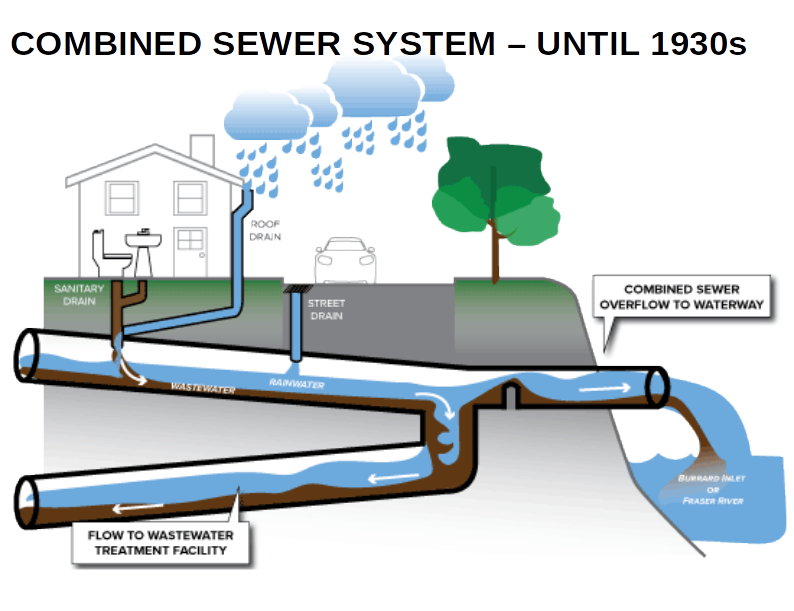 Combined Sewer Systems are designed to discharge sewage from Combined Sewer Overflows or CSOs as they are often referred to. They act as a safety valve, releasing storm water containing sewage into our rivers in times of rain. They are only allowed to discharge in this way when the volume of flow in the combined sewer reaches an agreed rate. This is usually during, or following, heavy rainfall. The precise details are given in the Discharge Consent Permit issued by the Environment Agency (EA) for each CSO. All Discharge Consent Permits are held by the EA and can be obtained free of charge by the public.
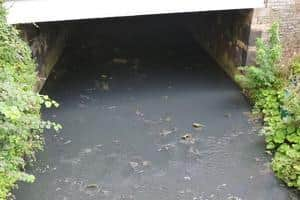
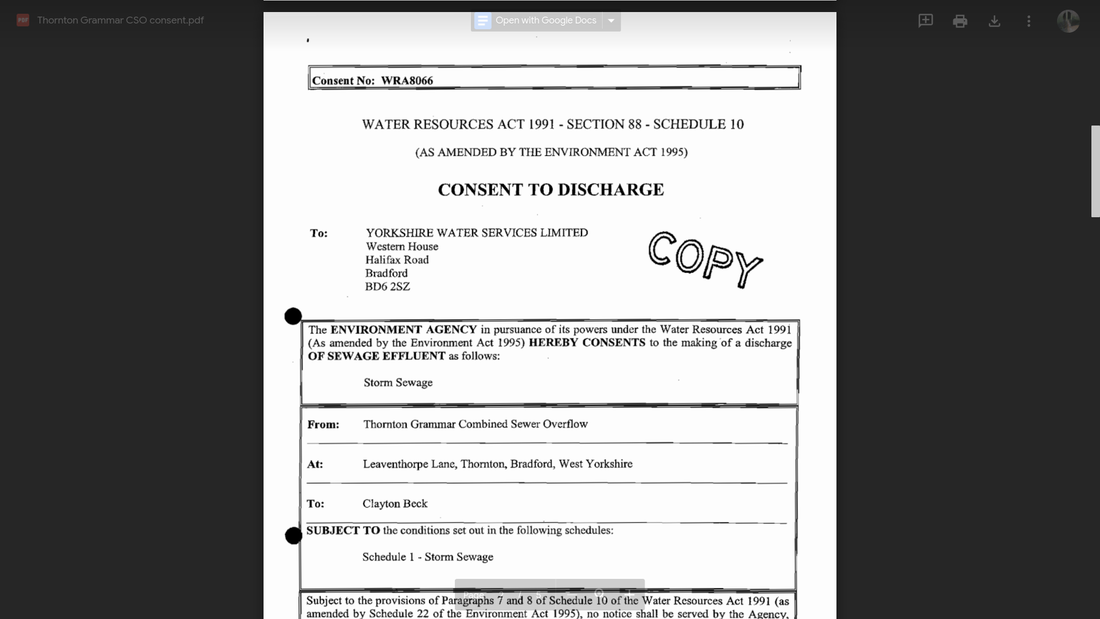
Pollution is said to occur when a CSO discharges outside the agreed limits of its permit. In this case, it will discharge well before the permitted, sewer flow rates in the discharge consent permit. So, if it is not raining now, and it has also been dry for a few hours, then there should be no sewage escaping from any CSO. Sewage escapes from CSOs in dry weather mean that there is a problem in the sewer system. Discharges from CSOs during dry weather conditions is considered to be pollution by the EA. 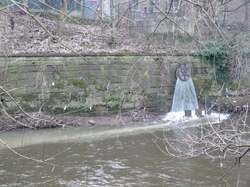 CSO discharge in dry weather - River Aire Baildon CSO discharge in dry weather - River Aire Baildon The sewage discharges which have made the news recently are largely from CSOs that serve as overflows to Wastewater Treatment Works (WWTW). Here the concentration and sheer volume of sewage discharged can have a detrimental impact on the health of our rivers. An unsightly aspect of CSOs is the substantial amounts of sewage litter which they discharge into our rivers. Much of this is plastic based such as wet wipes, nappies and other sanitary products, adding to our growing problem of plastic pollution in our seas. It is a sobering thought that anything which we flush down the toilet has a chance of ending up in your nearest beck or river. Sewage litter caught along the banks of our rivers is evidence of CSO discharges nearby.  The sewage litter is Bradford Beck, Shipley. Only the “Three Ps” should be flushed down your toilet! These are pee, poo and paper. Sadly, not everyone follows this guidance, and everyday all kinds of debris are flushed down our toilets that can lead to blockages in sewers. Pollution of our rivers can then follow as the CSO upstream of the blockage does its job and discharges sewage into the river instead of that sewage backing up and spilling out in our homes and streets.  Hard times for Peppa Pig! - Caught in a wet wipe blockage in foul sewer at Shipley. You can find out if you have a CSO, or other permitted discharge, near you by looking on the Rivers Trust sewage map which can be found on the Rivers Trust website.
https://www.theriverstrust.org/key-issues/sewage-in-rivers In the next instalment we will look at pollution to our rivers from separate sewer systems and finally learn what a misconnection is. We are pleased to have Robert Hellawell write a series of blogs about how pollution could enter the River Worth. Robert, aka Urban Pollution Hunter on Facebook, works for the Aire Rivers Trust monitoring pollution on the Aire and it's catchment, so he is well placed to tell us about how rivers get polluted. He starts by explaining how the sewage system works, or doesn't work, and the two types of system used. Finally he will talk about the problem of misconnections, but you might have to wait for part three for that! Sewage pollution of our rivers has been in the headlines in recent months. The concern has been all about untreated, sewage escapes from wastewater treatment plants. However, there can be many other, smaller pollution sources affecting our rivers that often go unnoticed; I am talking about misconnections. Misconnections are one of the main contributors to what is known as diffuse pollution, particularly in built up, urban environments. Diffuse pollution is that which has no obvious single source. The increasing effects of numerous, misconnections can have a detrimental impact on urban rivers whilst remaining unnoticed. There has always been pollution of our rivers. Many settlements have grown up around a river or beck. Clean, fresh water is vital for life, but flowing water also provides a readymade way of disposing of our waste. Ever since humans have settled by rivers, we have polluted them! It was the Victorians who built our first sewers. To understand misconnections, first we must understand how our sewers work. We have two types of sewer systems in the UK. Sewers built before the 1930s are known as combined sewers. Sewers built after the 19030s are known as separate sewers. Each has their own different pollution problems. Combined sewers take the foul sewage from our toilets, sinks and baths combined with rainwater run-off from roofs and roads and convey the whole lot to the wastewater treatment works (WWTW) where all the effluent is treated and cleaned before being returned to the river. In industrial areas, this may also include wastewater from industrial processes. However, in times of heavy rain, the combined sewer can become overloaded. In this case, our Victorian ancestors thoughtfully included a safety valve to stop sewage bubbling up in our streets and homes.
Separate Sewers were later introduced to try and minimise the frequency of CSO spills into the river. In this case, the foul sewage is separated from the rainwater. The rainwater from rooves and roads is directed via a separate, surface water sewer directly into the nearest watercourse without any form of treatment. The foul sewage from toilets, sinks, baths etc. Is conveyed by a separate, foul sewer to the existing, combined sewer where it passes to the WWTW, as before, for treatment. In part two we will look in more detail at how the different sewage systems can cause pollution issues in our rivers and what constitutes a misconnection.
We often bang on about how beautiful the Worth can be , perhaps no more so than in autumn. So here are some photographs from RWF member John Tickner. They show the river looking good in its autumn colours and also perhaps not so good. We are hopefully working towards a time when John won't be able to take any of the not so good shots. Enjoy.  North Beck in Holme House Wood.  Bridgehouse Beck at Oxenhope.  North Beck in Holme House Wood again.  North Beck meets River Worth below near Morrisons.  Nice balanced shot from John, the natural colours of the sycamore on the right contrast with the colourful river debris on the left! Taken near Pitt Street.  River Worth at Lord Bridge. 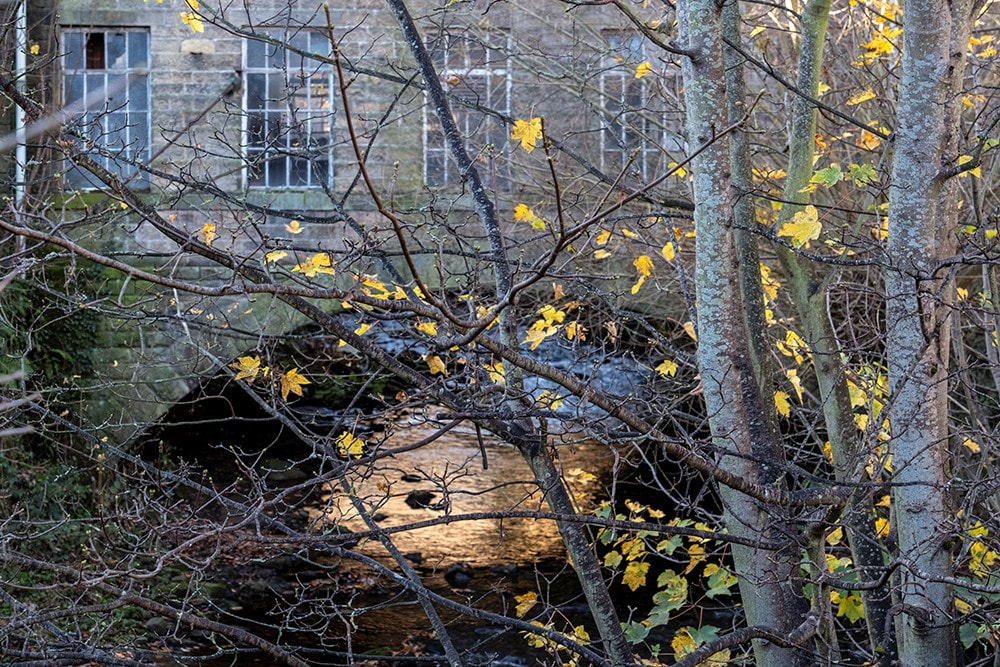 Vale Mill on the Worth. 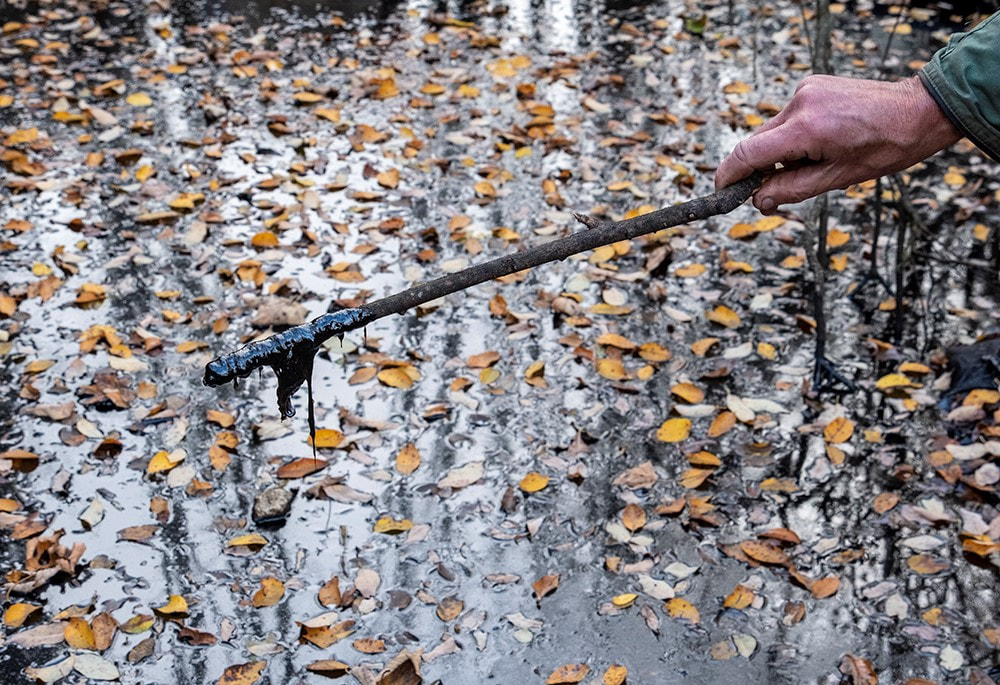 The autumnal leaves look nice floating in the background. Actually they are on a thick film of oil which is leaking into a goit that runs into the Worth near Marriners Walk. We have been applying pressure to the powers that be over this for over eighteen months but without much success. All images copywrite of John Tickner
The river Worth is a green corridor running through the centre of Keighley. As such it could be a valuable natural resource and amenity which could improve the wellbeing of the people. Most weeks RWF volunteers are out working to improve the river as an environment for both wildlife and the people in and around Keighley. However sometimes it can seem that we have bitten off more than we can chew. 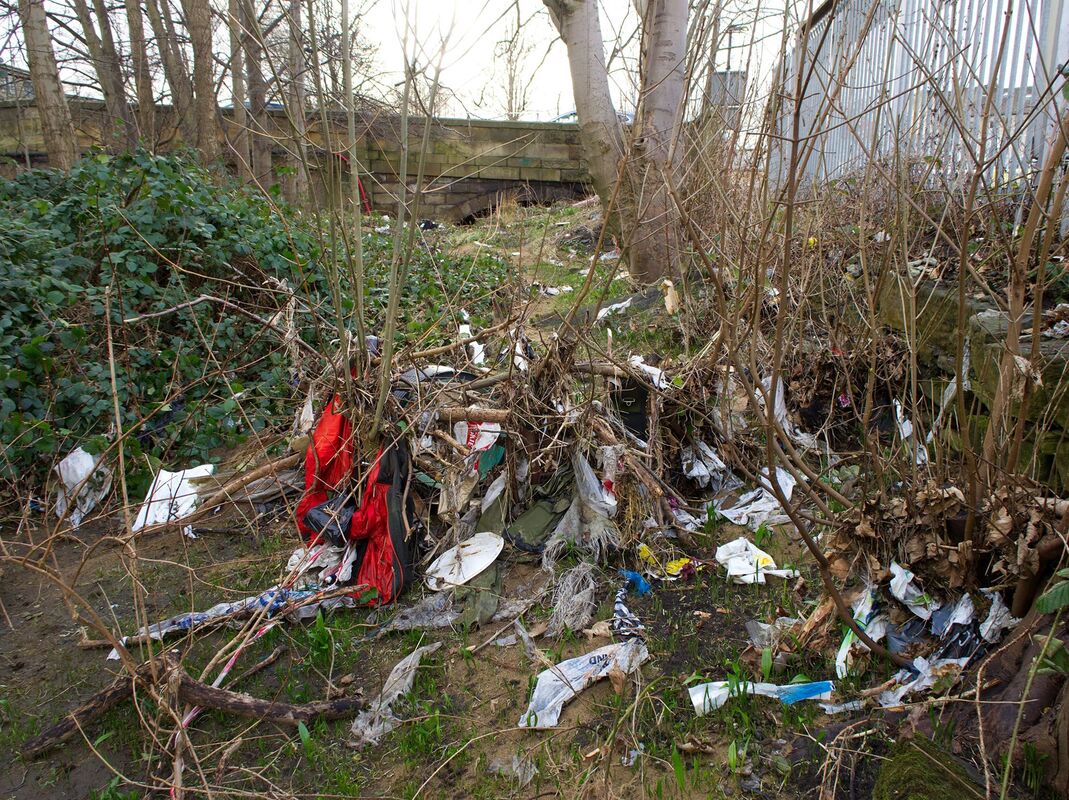 Debris at Low Bridge a couple of years ago. Debris at Low Bridge a couple of years ago. For instance, back on July 2nd we worked with the Aire Rivers Trust to clean up the stretch of North Beck which runs from Morrisons car park to Heber Street. On that day we removed 46 bags of rubbish from the river and its surrounds. However, we recently noticed that the rubbish was again building up, with even some full bags hanging in the trees, so we returned last week and removed a further 23 bags and also some lengths of steel fencing that had been thrown in from the adjacent site. We had also been there back in December last year. All together we have taken 81 bags of rubbish from the area.
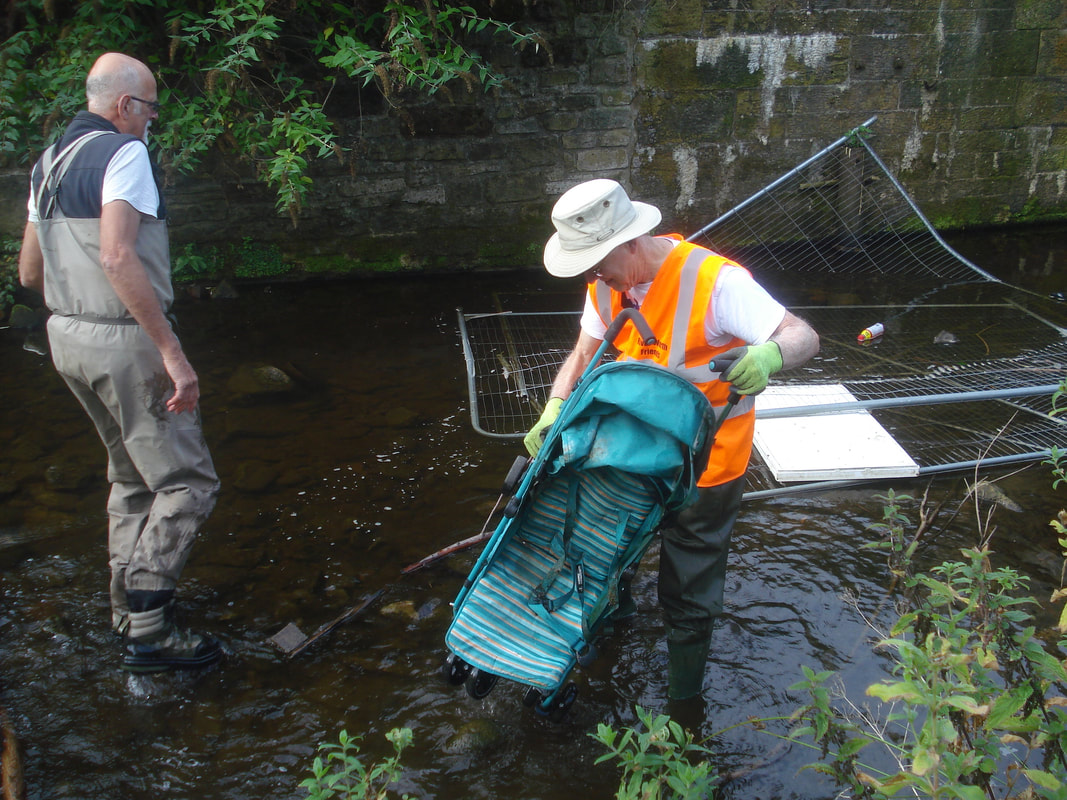
Another location that we keep revisiting is Kinara Close, down to where the Worth joins the Aire. In the last year we have been there nine times and removed over 100 bags of rubbish plus six children’s bikes, a pram, two shopping trolleys, some plastic chairs, carpets and much more. Some of this will not necessarily have been thrown in by people on Kinara Close but washed down from higher up stream. So you can see that we have taken on a rather Sisyphean task (look it up!) Especially when you bear in mind that we have only four active volunteers.  Results of clearance at Kinara close in July. We often get positive comments about our work from passers-by and when we post about our activities on Facebook we always get lots of likes and positive comments, 58 likes and 15 comments on our last session, but that is as far as it goes. There can be a tendency to feel that simply offering support on social media is good enough, no need to actually take positive action. It would be fantastic if some of our social media supporters could get out on the river with us, with a bigger volunteer base we could really make a difference. It can be the case that rubbish begets rubbish, we are trying to break that cycle. So, if you want to have a part in making Keighley a better place, let us know. Your River 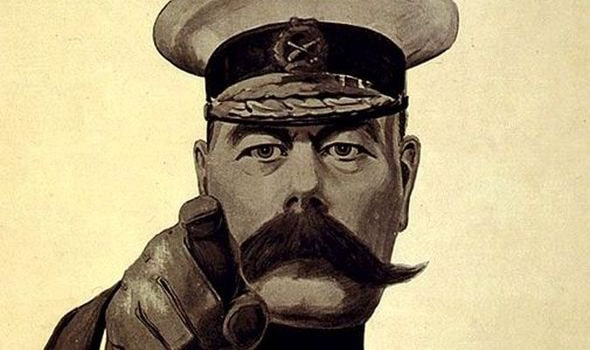 Needs You
|
Categories |








 RSS Feed